
Fall 2019

A Brief Investigation of the Oklahoma State Athletics Program and the Misconceptions Regarding Student-Athletes
By Eliza Kent
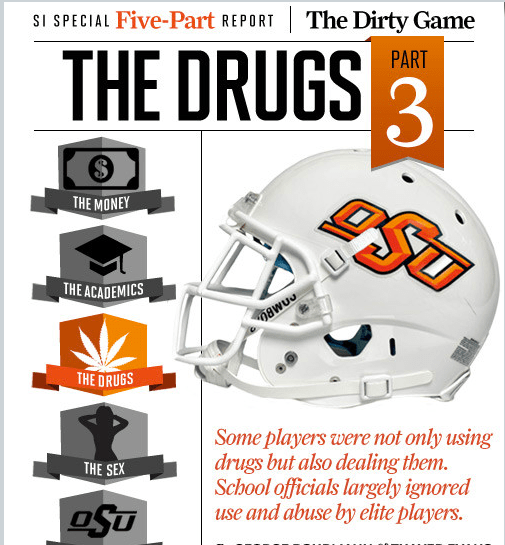
In Fall 2013, Sports Illustrated released a five-part series providing ‘evidence’ the Oklahoma State University athletes program was acting in violation of NCAA bylaws. In the days and months following the release, the articles were hotly debated and triggered a third-party investigation by Oklahoma State and the NCAA. Throughout the uproar, Sports Illustrated stood by their work, but the NCAA ruled the accusations as “fundamentally unfounded” (Stavenhagen, O’Colly 21 Oct. 2014). Since then, Sports Illustrated has removed all traces of these articles from their website, leaving little evidence to show they ever existed. Because of this, the only source I could find to discover the contents of the articles, was the Oklahoma State University archives. Since the foundation of The Daily O’Collegian in 1895, Oklahoma State has kept a collection of all the newspapers produced by this student media group. With the national focus created by Sport Illustrated on Oklahoma State, the O’Colly newspaper printed their own response to the allegations.
Regardless of the removal of the articles from their website, the damage was already done…
Full audio recordings of the original interviews conducted for this report included at the bottom of the page.
Sections:
- Money
- Academics
- Drugs
- Student Recruiting
- The Fallout
- The Interviews
- Works Cited
The Sports Illustrated articles addressed issues the public had speculated about for years and provided ammunition to further the stereotypes and misconceptions that surround student-athletes. Underhanded recruiting schemes, drug use, cheating, and bribery were all fair game, and Oklahoma State athletics was a lightning rod for criticism. Six years later, the stereotypes and misconceptions have changed very little. In this project, I will be following the path of the Sports Illustrated articles and hopefully gathering new information on the athletics program at Oklahoma State University, specifically examining how it has changed and adjusted since the investigation in 2013.
Money
In the first section of the five-part series, Sport Illustrated began with accusing members of the Oklahoma State University athletics department with providing students with “boosters” or rewarding them with money after a successful practice or game (Favalor, O’Colly 11 Sep. 2013). In the article, Tatum Bell, a former Oklahoma State football player and retired professional athlete, was specifically targeted for accepting these illicit payments. However, when members of the Daily O’Collegian interviewed Bell regarding the accusations, he declared them to be entirely false.
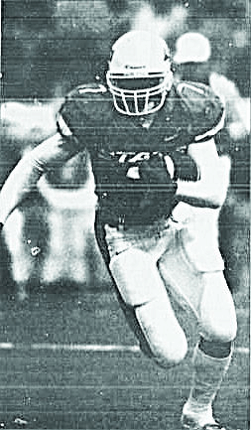
“That wasn’t going on when I was there, I never received a dime from nobody. Weren’t no boosters coming in the locker room, weren’t no handshakes, whatever the hell they called it, $500 handshakes. There wasn’t nothing like that going on. Kevin Williams wasn’t getting no money. Antonio Smith, Kareem Smith, Greg Richmond, myself, Rashaun Woods — none of those was getting money.”
(Favalor, O’Colly 11 Sep. 2013)
Additionally, Bell was never interviewed by Sport Illustrated or informed that he was going to be mentioned in the article. Notably, upon the conclusion of the NCAA investigation, no evidence was found to prove these allegations to be true (Stavenhagen, O’Colly 21 Oct. 2014).
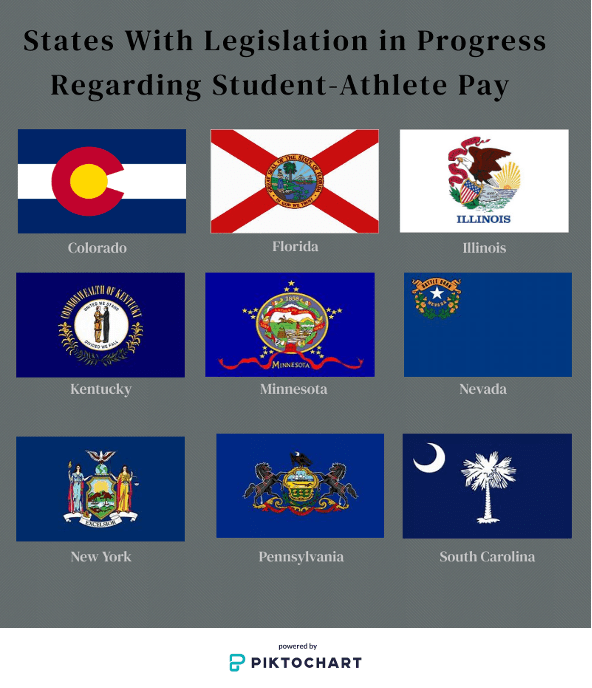
However, earlier this year, the NCAA adopted a proposal to allow student athletes to “benefit from the use of their name, image and likeness” (Dwyer, National Public Radio 29 Oct. 2019). This change in policy has the potential to entirely disincentivize any underhanded system of boosters and bribes. Instead of receiving money under the table, students have the opportunity to directly profit off of their performance within their sport. In place of a booster, their payback is instead based off of their reputation and greatness as athlete.
Academics
The second installment of the series paints a picture of coaches who encouraged students to prioritize sports over academics, professors who padded grades or allowed athletes to cheat, and tutors who would complete a student’s work for them. Instead of endeavoring to educate the student, the article claimed university employees focused only on getting the athletes the passing grades they needed to keep playing (Favalor, O’Colly 10 Sep. 2013).
To address these accusations, I sought out an expert opinion in the field of student-athlete academics. Marilyn Middlebrook, the Director of Academic Services for Student Athletes, has worked with students at Oklahoma State for over thirty-six years, and has served in her current position for twenty-two years.
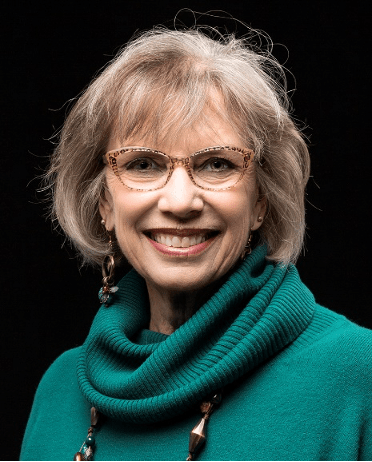
Ms. Middlebrook and her staff work to keep student-athletes eligible to compete according to NCAA and Oklahoma State University standards and assists them in staying on track to graduate. Additionally, they also help students develop good life skills and maintain the motivation to get through school. Middlebrook oversees the academic affairs of all athletes from all sports, which means 550-600 student-athletes are under her care, but she predominantly works with the football and men’s basketball. The staff in her office work as secondary advisors or “sport counselors” to the student-athletes, with staff from a student’s academic college working as their primary advisor. All student-athletes, regardless of the sport they compete in or if they are on scholarship or not, are given equal opportunities, resources, and educational experiences.
When I asked her how she defined the success of her program, her response displayed the depth of experience she has as an educator, and the care she has for the students she works with. Ms. Middlebrook states,
“the success of the program is based on the mindset and attitude of the student to believe in themselves and learn that education is important.”
(Middlebrook, Personal Interview)
Instead of looking solely at the graduation rate of student-athletes, she instead chooses to focus on each individual person and how they have been changed for the better. She refuses to categorize students into better or lesser learners, and instead believes in the potential of the student to accomplish his or her own goals.
However, even with this mindset there are some regulations which must be following order to keep athletes eligible for competition. For example, according to NCAA standards, all student-athletes must have a GPA of at least 1.8 for their first year, and a 2.0 for all years following. However, according to Ms. Middlebrook, the bulk of athletes have a GPA which exceeds the required minimum. For example, the average GPA for a member men’s golf is a 3.5 and the average GPA for a member of the football team is a 3.0. Ms. Middlebrook also addressed the misconceptions the general population has about student-athletes, stating that most people think that student-athletes are pampered, they are given everything, they cheat, they are stupid, and so on. In reality, these students are not much different than any other student on campus.
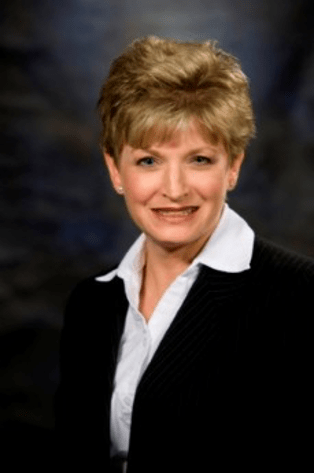
In addition to Ms. Middlebrook’s insight, I wanted to get the perspective of a professor who interacts with student-athletes within the context of the classroom. To accomplish this, I interviewed with Dr. Cheryl DeVyust.
Professor of Agriculture
at Oklahoma State University
Here are Oklahoma State since 2008, Cheryl DeVyust has served as the Assistant Dean of the College of Agricultural Science and Natural Resources and has also held multiple assistant provost positions. She is largely responsible for the formation of the LASSO center, an on-campus tutoring center which provides students with the necessary resources to succeed in the classroom and was also heavily involved with the creation of the Finish in Four degree sheets. Professor DeVyust has been teaching for nearly twenty years, and during her time as a professor at Oklahoma State, she has taught student-athletes who play a wide variety of sports, such as football, men’s and women’s basketball, baseball, softball, tennis, soccer, track and field, equestrian, and wrestling.
Currently she is teaching two sections of the Introduction to Agricultural Economics (AGEC 1113), an honors add-on for the same course, and an orientation course for students within the Department of Agricultural Science and Natural Resources. Among these classes, Professor DeVyust estimates she currently has around twenty student-athletes enrolled this semester. During the interview, Dr. DeVyust spoke highly of the student athletes she has encountered. She specifically noted that most student athletes must remain more organized and proactive in comparison to other students, because of their additional athletic requirements. Because of this, she and other faculty are always happy to work with students to make arrangements or adjustments to accommodate their sports schedules, saying,
“[there is a] misconception that student athletes get benefits and we make things easier for them. I believe in our college we will work with student athletes because we know they have to travel…but it’s not giving them concessions or allowing them to cheat.”
(DeVuyst, Personal Interview)
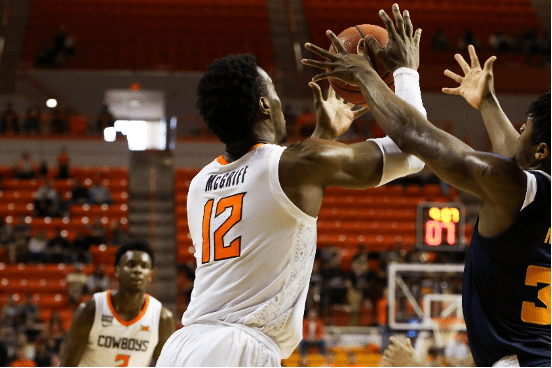
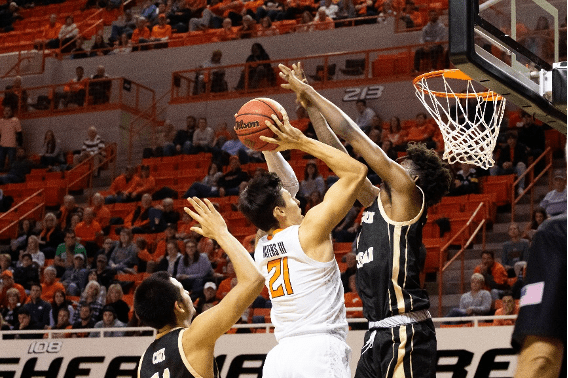
during a men’s basketball game
Eliza Kent/O’Colly
Dr. DeVuyst is adamant that student-athletes are still just students; they are still trying to manage all the homework and obligations of ordinary students, but also have the additional responsibility to represent the university on a public platform.
“Oklahoma State has a great focus on the student athletes. The student athletes are students, and there is a great push for them to be in the classroom like other students. We have great services for our students to find success.”
(DeVuyst, Personal Interview)
Throughout the interview, Dr. DeVuyst remained very professional, but once the recording stopped, she shared personal stories of student athletes who she knew well and had formed close connections with.
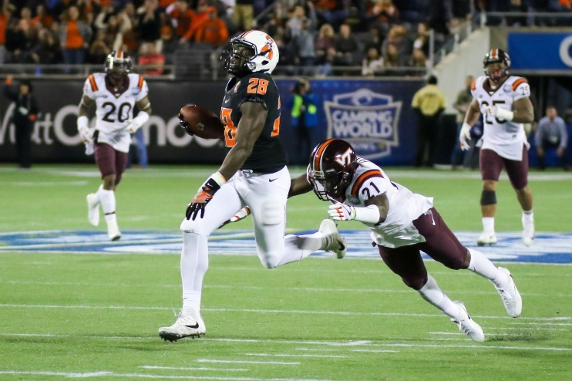
Zack Hake/O’Colly
For example, James Washington, who currently plays football as a wide receiver for the Pittsburgh Steelers, was a student of Dr. DeVuyst and her husband for many years. As an introvert, James enjoyed fishing as a way to relax, and frequently visited the DeVuyst’s family pond. Even after graduation, Dr. DeVuyst has remained in contact with him, and will occasionally travel to Pittsburgh to attend a football game. This story breaks nearly every stereotype that exists regarding a member of the football team and provides a unique perspective which is not often portrayed in the media.
Drugs
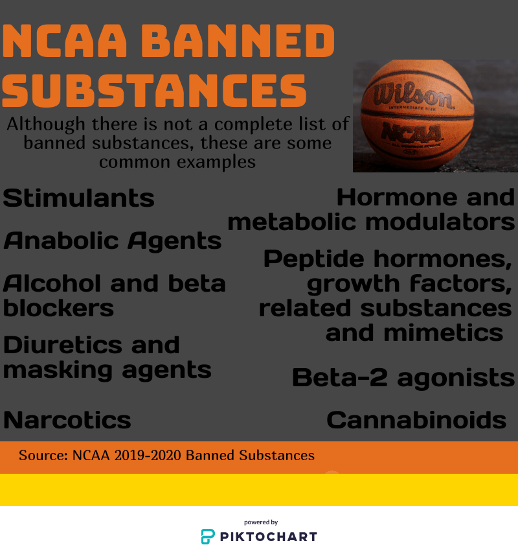
After a thorough investigation of Oklahoma State, the NCAA concluded the university did not follow institutional policies regarding student-athlete drug use, and five athletes who tested positive for banned substances were allowed to compete in their sport with no disciplinary action (Stavenhagen, O’Colly 21 Oct. 2014).
Since the release of the report in 2014, however, Oklahoma State has continued to restructure and improve the athletics department to create a system with increased accountability. For example, in 2018, Dr. Trevor Richardson joined the Department of Intercollegiate Athletics as the Director of Counseling and Sport Psychology. Dr. Richardson has a Bachelor of Science in psychology, a PhD in Counseling Psychology and special training in sports psychology. He spent over ten years working at University Counseling Services before he moved to his current position within athletics. He is very invested in the mental wellness of the Oklahoma State University students and works in numerous ways to bring awareness and support to students who need it. His primary focus, however, is on student-athletes.
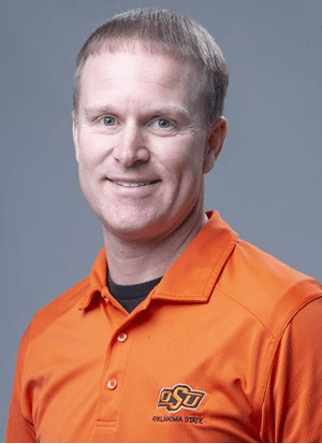
Director of Counseling and Sport Psychology
Similar to Ms. Middlebrook, Dr. Richardson measures the success of his program on the growth of each individual client and if their unique needs are being met. “That doesn’t always translate to success on the court or field or track…but it’s a matter of joining with them to work through any plan they are willing to implement in their life”. (Richardson, Personal Interview)
One of the key differences between ordinary students Dr. Richardson might see at on-campus counseling services and his current job, is the visibility of the student’s performance.
“For some people, maybe more for extroverts, that’s where they receive their energy, that’s where they recharge their batteries and they like being on that stage. For other people, that is overwhelming. So, we have to work on ways to focus on different aspects of it so they can perform at their peak.”
(Richardson, Personal Interview)
However, student-athletes do have many similarities to the student population when it comes to mental health. When I asked Dr. Richardson about the predominant mental health issues within athletics, he replied that it was the same two issues as other students face: anxiety and depression. In fact, the position he currently holds was created because of the overall demand by student athletes.
Eliza Kent/O’Colly
While it is still relatively new for a university to offer in-house counseling to student-athletes, there is definitely the potential for expansion and improvement within the program at Oklahoma State. Currently, Mr. Richardson is the only counselor who works specifically with all 550-600 student-athletes. In comparison, the University of Oklahoma has three full time positions, as well as trainees.
“[Student athletes are] welcome to go wherever they’d like, so they might go off campus, they might go to the counseling center, they might go to any number of places, but as far as who we have in house, that’s just me.”
(Richardson, Personal Interview)
Dr. Richardson is also partly responsible for educating student-athletes about drug use and the university policies concerning banned substances. If a student tests positive for a banned substance, then they are required to go to Dr. Richardson for an assessment. Depending on the outcome of the assessment, they have options for where they go to counseling and treatment. Dr. Richardson maintains that it is rare to see student-athletes who are found positive for banned substances and enrolled in a treatment plan.
Dr. Richardson enjoys getting to know the athletes in a different way than the average person sitting out in the stands and encouraging them to find a balance between their academic and athletic responsibilities.
“Seeing them expand their identity outside of just their sport because unfortunately we are so wrapped up in what we do, that becomes our whole identity…I enjoy the opportunity to challenge them to see themselves as more than that.”
(Richardson, Personal Interview)
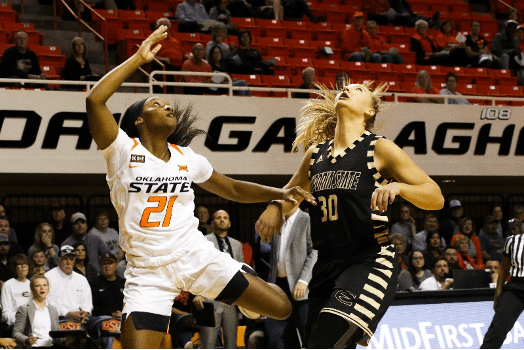
Eliza Kent/O’Colly
Dr. Richardson is adamant the assumption that student-athletes are lazy is untrue and instead asserts their work ethic is often drastically underestimated. In fact, when he arrives at his office in Gallagher-Iba Arena around 7:30 a.m., there are often students who are already out on the court and putting up shots.
“I firmly believe that they work for everything they get because the time demands, and the physical demands are significant.”
(Richardson, Personal Interview)
Student Recruiting
In the fourth part of the series, Sports Illustrated addressed concerns with the student engagement strategies used by Oklahoma State to encourage recruits to join the athletics program (Favalor, O’Colly 13 Sep. 2013). More specifically, Sports Illustrated accused the university of using the student organization, “Orange Pride” to entice potential recruits by having sex with them. However, the O’Colly quotes the Sports Illustrated article as saying that most former players and orange pride members who were interviewed were unaware of such activities (Favalor, O’Colly 13 Sep. 2013). Tatum Bell, quoted earlier in the first section of this report, also addressed these allegations, saying, “Wasn’t no women sleeping with no recruits to get the recruits.”
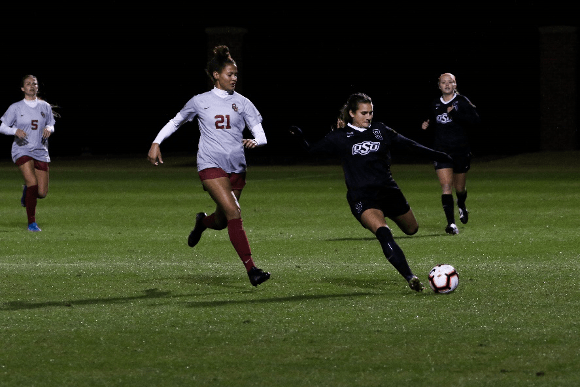
Eliza Kent/O’Colly
After an official investigation, the NCAA charged Oklahoma State with using the Orange Pride program irresponsibly and activities of the program were in conflict with NCAA legislation. As a penalty, the Oklahoma State and the athletics program were restricted from using Orange Pride to recruit prospects and could not organize another student recruiting group for four years (Stavenhagen, O’Colly 24 April 2015). Because the NCAA did not specify how the recruiting methods were in violation with NCAA regulations, it is difficult to determine if Sports Illustrated had uncovered the truth or by random chance had simply sparked an investigation into OSU’s recruiting methods.
Regardless, Oklahoma State responded to the investigation by adjusting and restructuring their recruiting methods entirely. Currently all student-athletes are recruited through the admissions office just like all other students, instead of through their prospective athletics department as had previously been the case.
The Fallout
The final portion of the Sports Illustrated series looked into the lives of student-athletes after they left the athletics program (Asher, O’Colly 16 Sep. 2013). The article paints a picture of coaches playing games of favoritism and abandonment between players, but an interview with former student-athlete Andrew McGee provides a different story. McGee played football as a defensive back for Oklahoma State for two years while studying for his bachelor’s degree in psychology. He went on to earn his master’s degree in communication, and currently works as the Recruiting and Communications Coordinator for the Center for Ethical Leadership office at Oklahoma State.
Throughout the interview, Mr. McGee spoke highly of his coaches, especially head football coach Mike Gundy, saying,
“Just talking about Coach Gundy and the coaches I had here, I still call those guys today and if I had issues with what I wanted to do with my life, or any way that they could help, they always do and always have. All the leaders in my life have had some play in who I have become and the opportunities I was able to walk into.”
(McGee, Personal Interview)
The football program at OSU provided unique opportunities for McGee, and with the connections he formed during his time as a student-athlete, he was able to earn a job as a graduate assistant football coach upon graduation. With help from coaches and mentors at Oklahoma State, McGee and six other student-athletes began working with the West Virginia University football program. In his current professional career, McGee still utilizes the skills he learned as an athlete.
“Grit, resilience, teamwork, and effective communication…all of those things are needed and essential to the professional world. For me, I always look back at effective communication as a defensive back…we all have to communicate very specifically about our job and our responsibilities, and us being on the same page with this game and the strategy that we are going to try to implement.”
(McGee, Personal Interview)
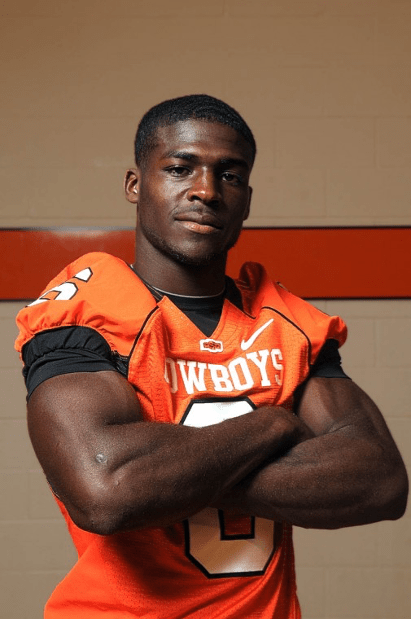
Zach Grey/O’Collegian
However, even with the respect he has for his former coaches and teammates, McGee is not blind to the fact that the athletics department can improve in giving student-athletes the opportunity to become invested in communities around campus. Places such as the Leadership and Campus Life Office and the Center for Ethical Leadership are designed to help students find their place on campus, but as an athlete McGee says he did not have the time to engage with these programs or take advantage of the opportunities like he would have wanted to.
“There are some pros and cons to the structure of our athletics…I think there are great things that came from it, then also some things I wish had done differently, individually for myself during my time as an athlete, but I think that is a general problem with athletics, not just on my part.”
(McGee, Personal Interview)
As a former student-athlete, Andrew McGee is very aware of the misconceptions and stereotypes which still surrounds student-athletes and the athletics program. From his perspective, the most common misconception about student-athletes is that they are unable to think for themselves, they don’t care about academics and they don’t have the ability to be professionals. Mr. McGee and the achievements he has made in his career is a clear testament to the inaccuracy of these assumptions.
“Coach Gundy, just as a leader, he has always instilled certain principles to the athletes, and when I bounced around as a coach, I start to see more of, ‘wow we did do it the right way at Oklahoma State’ and they’ve continued to build upon that.”
(McGee, Personal Interview)
At the conclusion of the Oklahoma State investigation, NCAA declared the accusations made by Sports Illustrated to be predominantly false (Stavenhagen, O’Colly 21 Oct. 2014). Yet six years after their release, the assumptions, stereotypes and misconceptions expressed in the articles still surround student-athletes to this day.
Since the investigation, Oklahoma State has taken the necessary steps to restructure their athletics program to create as much accountability and assistance for the athletes as possible. Between recognizing staff who have invested years into the athletes, such as Ms. Middlebrook, and creating new positions for people who provide a fresh focus on mental health, like Dr. Richardson, the university has built a support system that will allow student-athletes to leave the program with the skills necessary to begin a career. However, regardless of the resources the university provides to the students or the hard work the athletes devote to their sports, the public is all too willing to believe the worst, often doing so without a second thought.

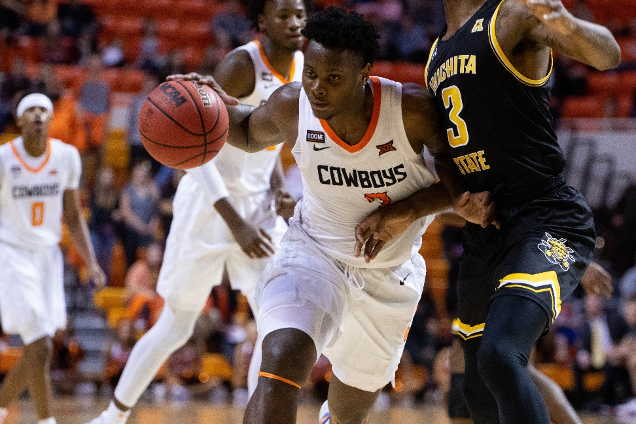
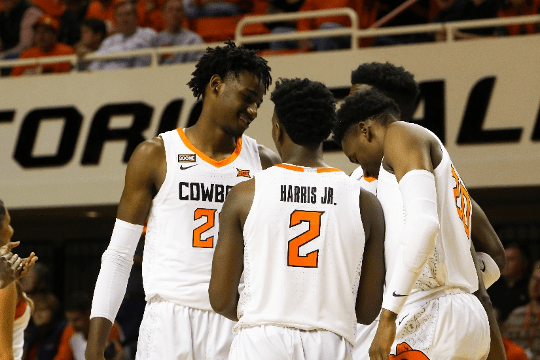
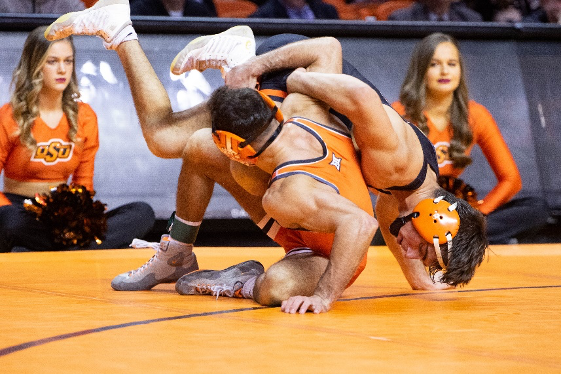
Ultimately, the wide-spread response to the Sports Illustrated articles is a symptom of a greater cultural issue: the public has forgotten that student-athletes are people. They are students who have the honor and responsibility of representing the university in athletic competition. Walk into any sporting event, wrestling for example in Gallagher-Iba Arena, and watch the crowd react when a mistake is made on the mat; profanities and insults instantly are hurled at the athlete. Although these athletes compete on a public platform, this does not justify rude and hostile behavior from the general public. With the waves of human and civil rights moments sweeping the nation, let’s not neglect to uphold the basic dignity of student athletes, as well.
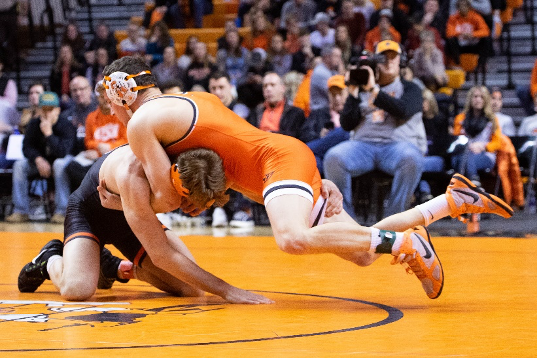
Eliza Kent/O’Colly
Throughout this project, I have investigated every accusation made by Sports Illustrated to the best of my ability and endeavored to find evidence to support or negate each claim. As my research advanced, my respect for student-athletes has continued to increase. Not only to student-athletes have impressive talent, they work hard to constantly improve their skill set. In addition to this, they also devote the time and energy to earn an education and make the grades necessary to remain eligible in their sport. Misinformed stereotypes or hostile crowds should not be added to the stress student-athletes already have in common with the rest of the student population. I sincerely hope this project provides insight into the athletics program at Oklahoma State University and introduces a new perspective regarding the dedication and effort of student-athletes.
The Interviews
Works Cited
Asher, Sally. “Sports Illustrated releases Part 5: The Fallout a day early” O’Colly [Stillwater, OK], 16 Sep. 2013.
Carroll, Charlotte. “States That Have Introduced Name, Likeness, Image Laws.” Sports Illustrated, 2 Oct. 2019.
DeVuyst, Cheryl. Personal Interview. 21 Nov. 2019.
Dwyer, Colin. “NCAA Plans to Allow College Athletes To Get Paid For Use Of Their Names, Images.” National Public Radio, 29 Oct. 2019.
Favalor, Christian. Asher, Sally. “Part one of Sports Illustrated’s report meets disappointment.” 10 Sep. 2013.
Favalor, Christian. Asher, Sally. “Sports Illustrated’s Part 2 of 5: The Academics paints a picture of academic fraud.” O’Colly [Stillwater, OK], 11 Sep. 2013.
Favalor, Christian. “Part 4: The Sex exposes new allegations.” O’Colly [Stillwater, OK], 13 Sep. 2013.
Middlebrook, Marilyn. Personal Interview. 6 Nov. 2019.
McGee, Andrew. Personal Interview. 25 Nov. 2019.
Stavenhagen, Cody. “NCAA Investigation into Sports Illustrated allegations called ‘fundamentally unfounded’ by NCAA.” O’Colly [Stillwater, OK], 21 Oct. 2014.
Stavenhagen, Cody. “OSU faces 1-year probation, other restrictions after NCAA investigation.” 24 April 2015.
Richardson, Trevor. Personal Interview. 22 Nov. 2019.
“2019-20 NCAA Banned Substances.” NCAA.org – The Official Site of the NCAA, 5 Nov. 2019.
 archiveoklahoma.com