
By Jacie Grey
Spring 2022
Oklahoma State University has been involved in various ambitious global endeavors throughout the course of its existence and has formed many unique relationships throughout the world. Working closely with the City of Stillwater, Oklahoma State University became involved in strengthening international relations and the idea of having a sister city was proposed. The search for a suitable sister city that matched the overall feel and atmosphere of Stillwater, Oklahoma ensued. A small town in south-western Japan, by the name of Kameoka was selected to become Stillwater’s new Sister City. Thus, a new era of exciting international relations began. However, as time went on, the popularity of the Sister City relations dwindled, and now only few remain who know the true history between Stillwater and Kameoka. After conducting tedious research, I believe I have found the few remnants that chart important milestones in the relationship and done my best to compile them into one central source.
This research paper aims to preserve the rich history between Stillwater, Oklahoma State University, and Kameoka, Japan, as well as discuss the forgotten Oklahoma State University- Kyoto campus, or OSU-K, and its mysterious and sudden closure. This research paper will also discuss the seemingly decreasing knowledge that Stillwater citizens and Oklahoma State University students have about Kameoka’s culture and their current events. This paper utilizes books written by one of the founders of the Sister City relations, newspaper articles, interviews, official Oklahoma State University Archives, photographs from the City of Stillwater Sister City Council, as well as articles in Japanese that discuss this topic. Nestled in the hills of Southwestern Japan, lies a quaint town called Kameoka (meaning Turtle Hill). Located approximately 20 kilometers (12 miles) west of Kyoto, this quiet town is home to many ancient castles and shrines. With a population of just over 100,000, Kameoka has managed to preserve its unique heritage and history.
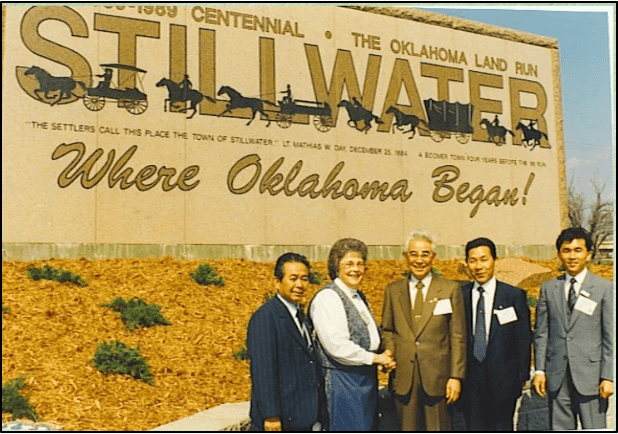
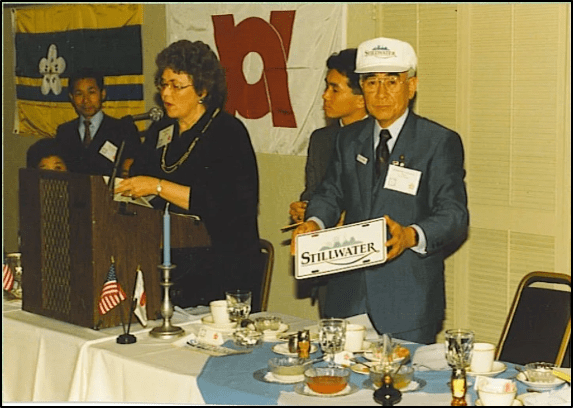
In the early 1980’s, there was a surge in popularity across the globe of partnering with a city from another country and forming a relationship with them. These were known as “Sister Cities”. By forming this relationship, the two cities could benefit from a cultural exchange, as well as create business opportunities. In 1985, Kameoka, Japan became interested in finding a Sister City that matched the atmosphere of their town. Stillwater, Oklahoma was a potential match because of the same “small town charm”. In July of 1985, the first delegations met to establish the Sister City relationship, and in November of 1985, a formal relationship was established. In October of 1986, a formal Sister Cities Council was formed in Stillwater. There was much excitement about the newly formed relationship, and ambitious projects were planned on both ends.
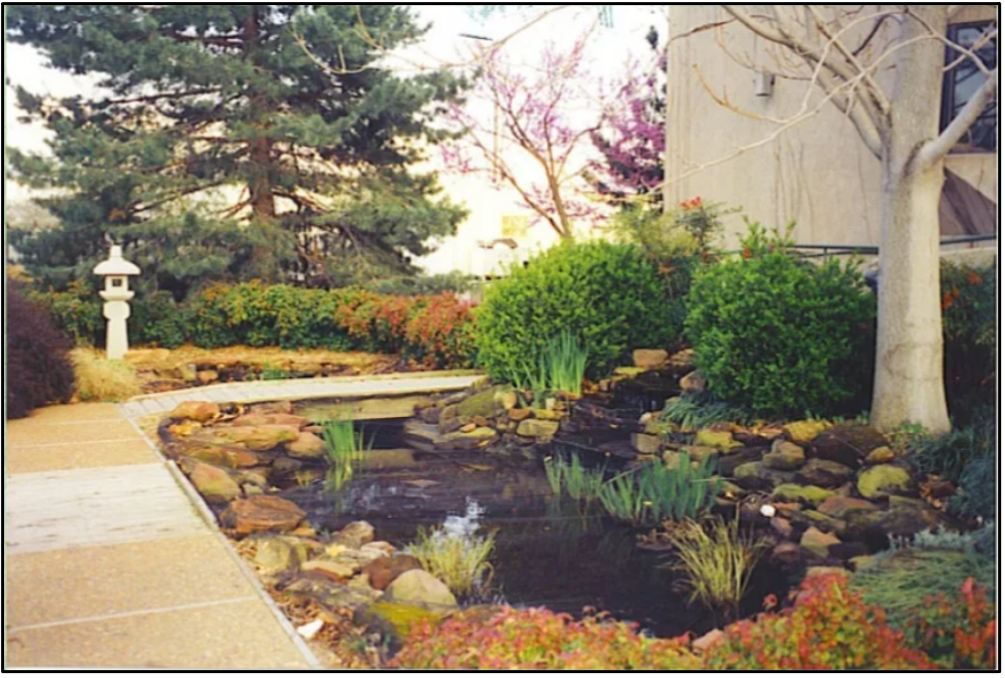
One of the first projects that was undertaken by both cities, was to build two parks: one in Kameoka, and the other in Stillwater. The parks were to be a representation of the Sister Cities’ relationship and provide a sense of cultural exchange. The park that was built in Stillwater was called Kameoka Koen (Kameoka Park), while the park that was built in Kameoka was called Stillwaterland. Kameoka Koen was a beautiful traditional Japanese-style park that was located outside of a Stillwater municipal building, while Stillwaterland was added to the Kameoka Undo Koen (亀岡運動公園), (City of Kameoka Park). Unfortunately, Kameoka Koen in Stillwater had to be removed due to expansions to the municipal building.
Stillwaterland is still operating today and is popular among the children of Kameoka. A Japanese blog I found described it as, “Being an image of the American West.” Stillwaterland includes a variety of playground equipment that looks like historic western forts made from wood, log cabins, teepees, small trains, and even a covered wagon that children can go in and explore! The official Stillwaterland map is shown below as well as other images I found of the park. It’s quite interesting to see how Stillwater and the American West are perceived by other cultures.
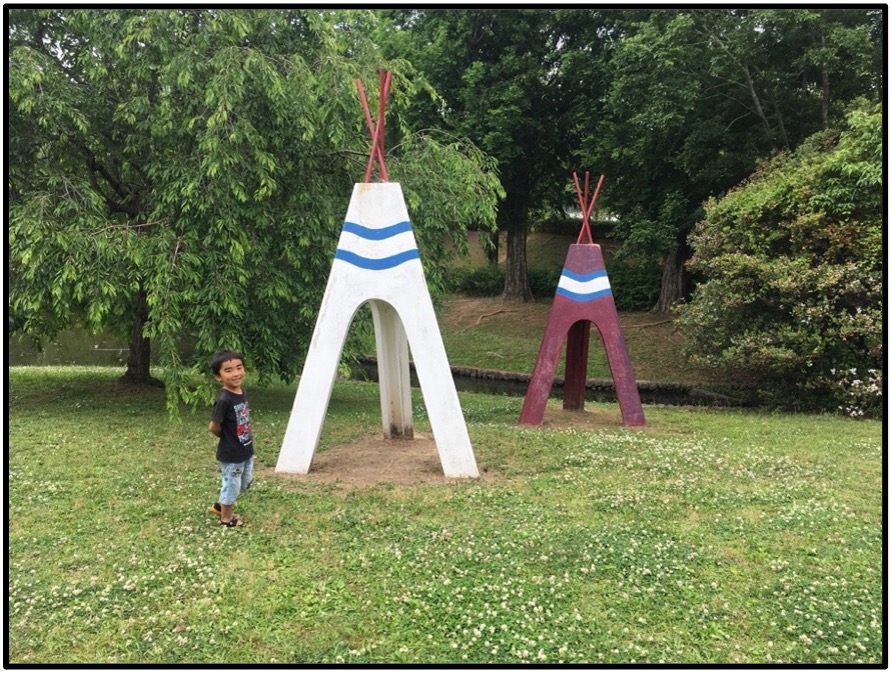
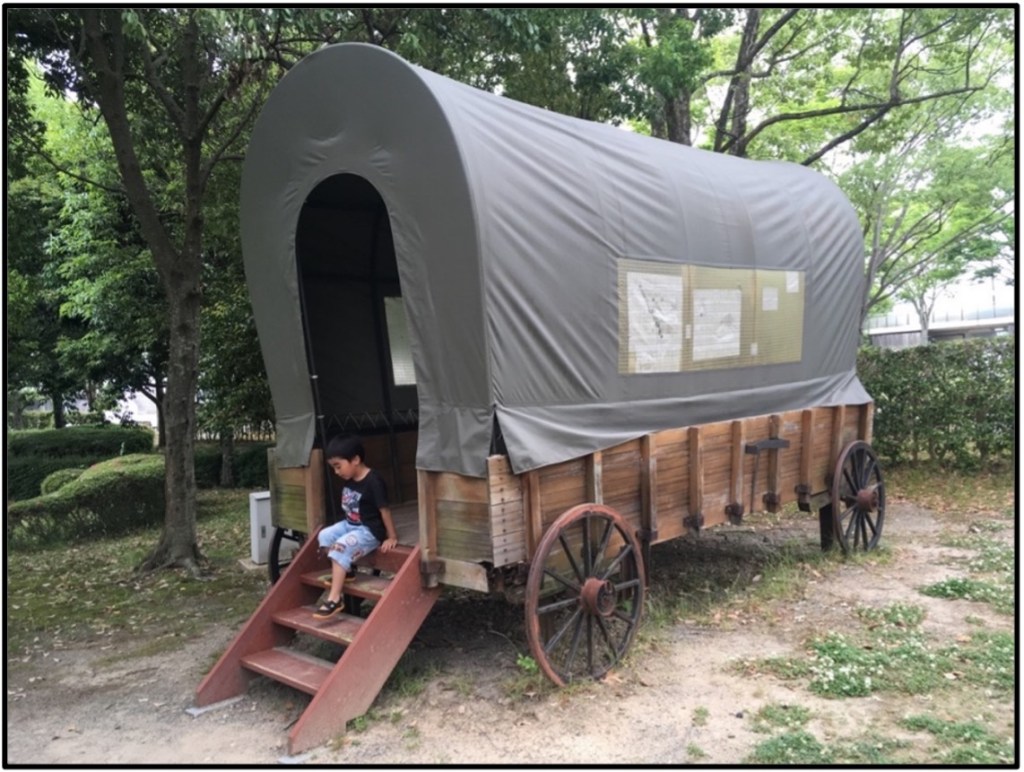
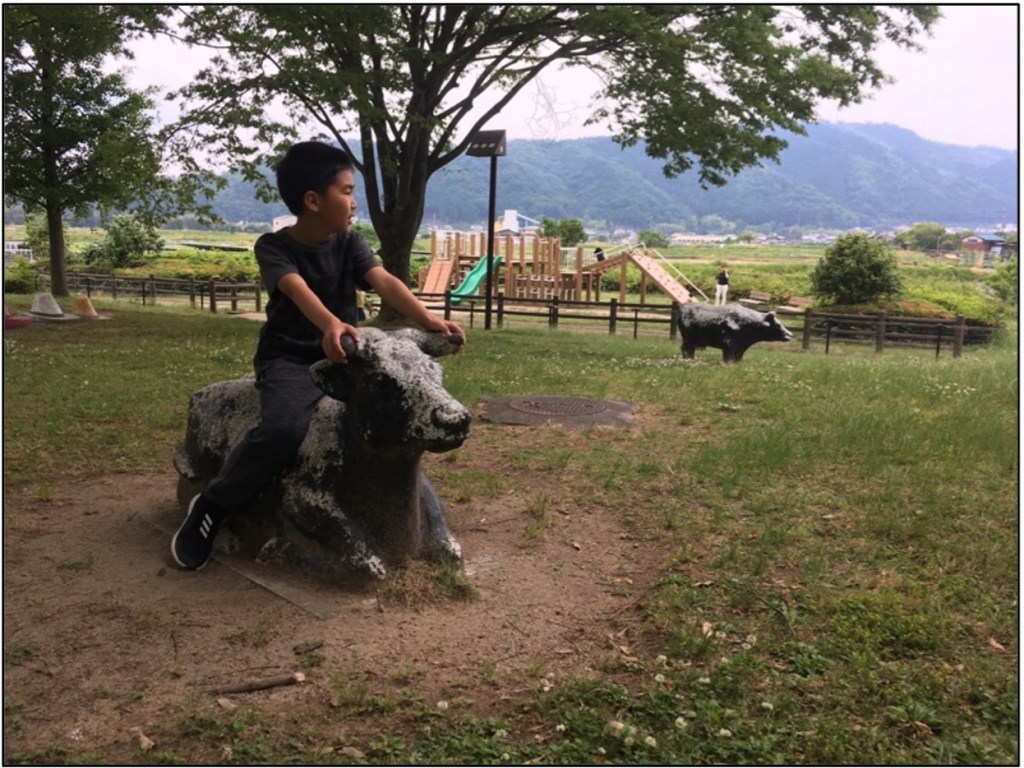
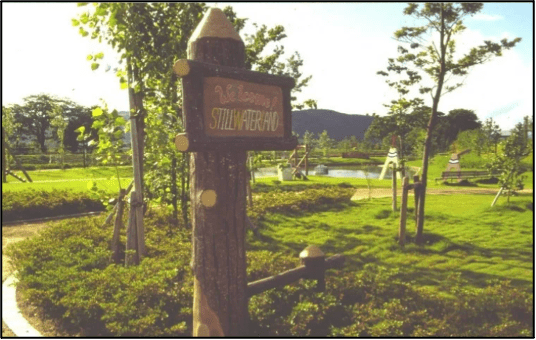
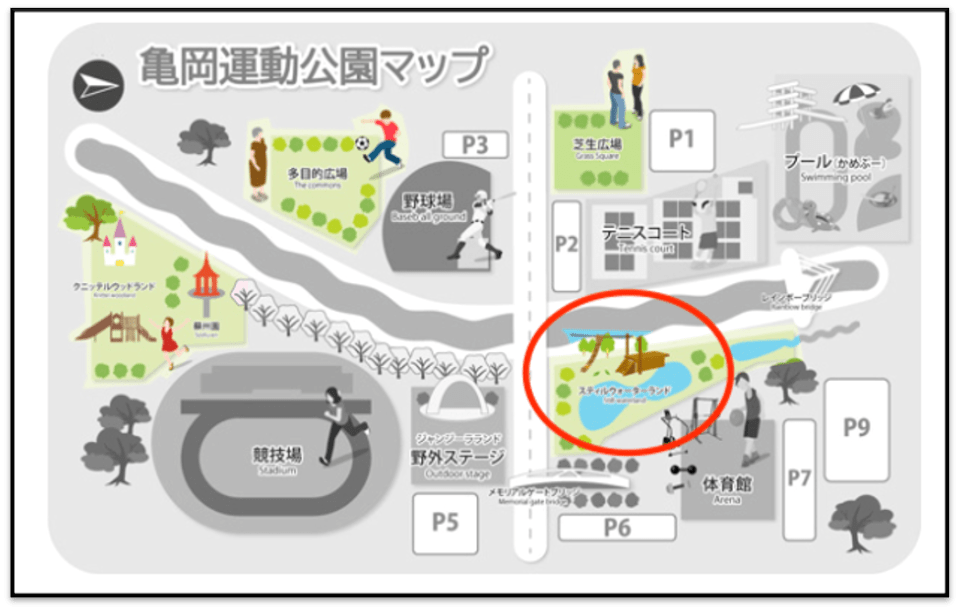
As a student attending Oklahoma State University who is familiar with Stillwater history, I found it fascinating that none of my peers knew about the existence of Stillwaterland. I discovered Stillwaterland because I am bilingual in Japanese and came across a Japanese article covering it.
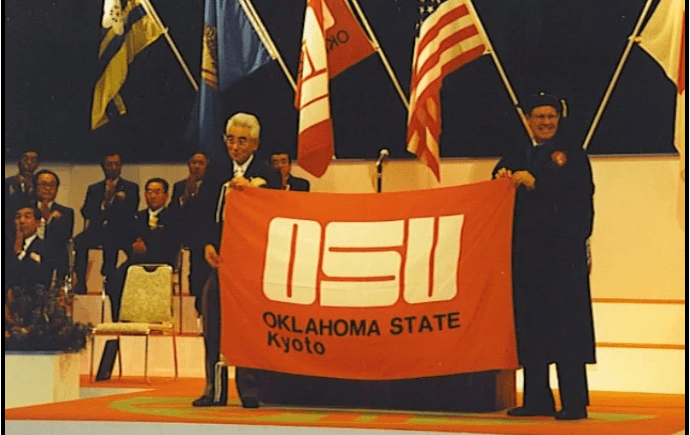
In early 1990, perhaps one of the most interesting and surprising projects that Oklahoma State University has been involved in, was announced. Oklahoma State University partnered with the city of Kameoka to establish an official satellite campus in Kameoka, Japan. Due to the fact that there was an increase in trade surplus in Japan, extra money was able to be set aside for various endeavors. It was mutually decided by both sister cities that a branch campus of Oklahoma State University would present great opportunity for Kameoka residents who were seeking degrees from esteemed universities from the United States. The plans were finalized and Oklahoma State University-Kyoto, or more colloquially called “OSU-K”, was established.
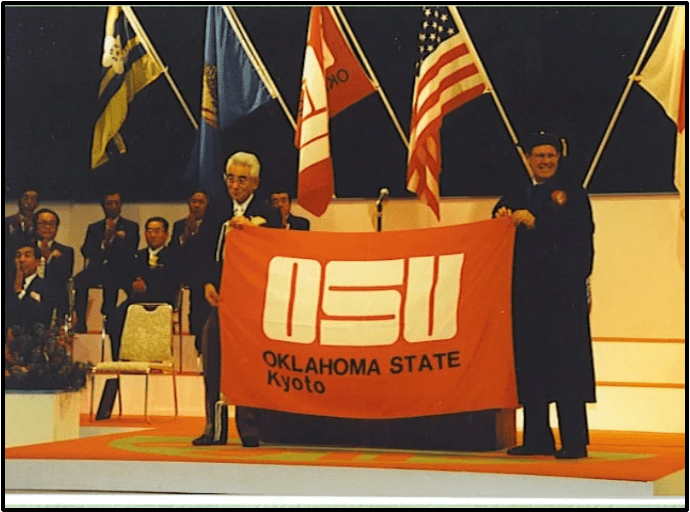
OSU-K was developed as a state-of-the-art campus, featuring the newest laboratory equipment, great faculty and staff, and housing. Since the campus was financed with surplus funds from the Japanese government, it cost Oklahoma State University- Stillwater, little to no money. It was as if a small piece of Oklahoma State University existed in Japan. OSU-K gave its students a rare opportunity to study abroad and get an authentic sense of American culture with complete immersion. Students began courses at OSU-K in the summer of 1990.
OSU-K was developed as a state-of-the-art campus, featuring the newest laboratory equipment, great faculty and staff, and housing. Since the campus was financed with surplus funds from the Japanese government, it cost Oklahoma State University- Stillwater, little to no money. It was as if a small piece of Oklahoma State University existed in Japan. OSU-K gave its students a rare opportunity to study abroad and get an authentic sense of American culture with complete immersion. Students began courses at OSU-K in the summer of 1990.
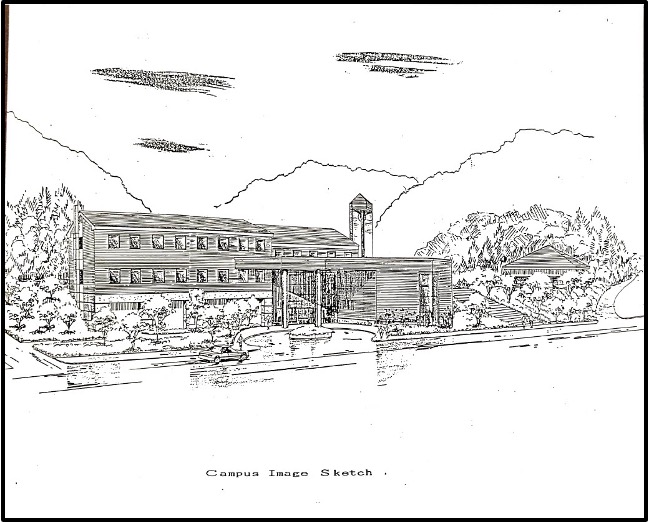
One thing that made the “OSU-K experience” more authentic to studying on the actual Oklahoma State University-Stillwater campus was that the students were attending classes in an almost exact replica of the historically iconic Old Central building. Old Central was the original college at Oklahoma State University-Stillwater and was first built in 1894. It was decided in the early 1990’s that a replica of Old Central should be built in Kameoka to celebrate and honor the sister city relations with Stillwater. Kameoka’s mayor at the time, Yoshihisa Taniguchi, sent an architect to Stillwater to closely study the building.

The area around Kyoto and Kameoka is surrounded by lush hills and forests. This made a beautiful construction site for Old Central Kameoka. Glade Presnal, coordinator of OSU international programs, commented that “[Old Central Kyoto] is in sort of a fairy land at the edge of a mountain range.” (Glade Presnal coordinator of OSU international programs). When searching for pictures of this incredible building, I was shocked to find that almost none existed. Once again, I had to resort to using my Japanese language skills to search for the term in Japanese. I was able to find only a few photos; one on a travel website for local spots to visit when traveling to Kyoto, and the others in the Official Oklahoma State University Archives.
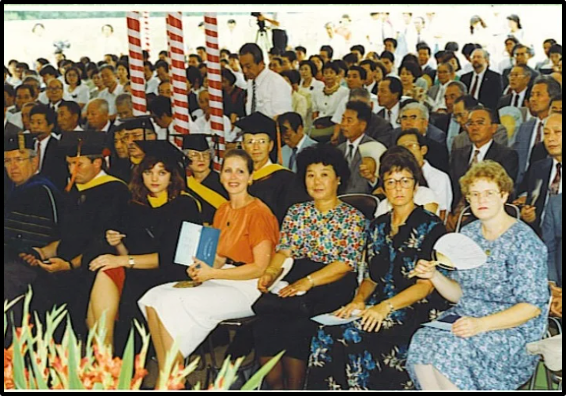
The degree plan for OSU-K was a five-year program, which consisted of studying the English language the first year in the ELI program on the Oklahoma State University- Stillwater campus, while the second and third years were spent on the OSU-K campus. The fourth and fifth years were spent back in Stillwater on the main OSU campus.
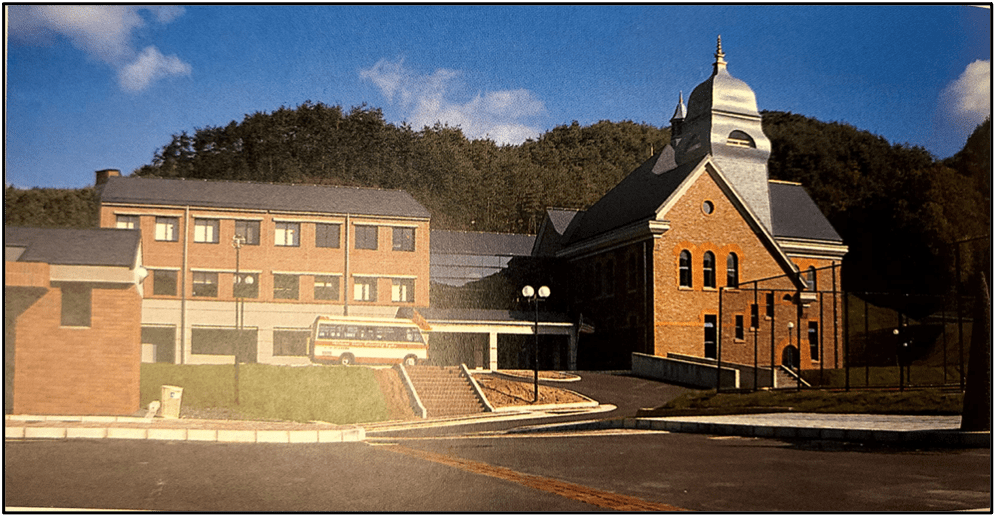
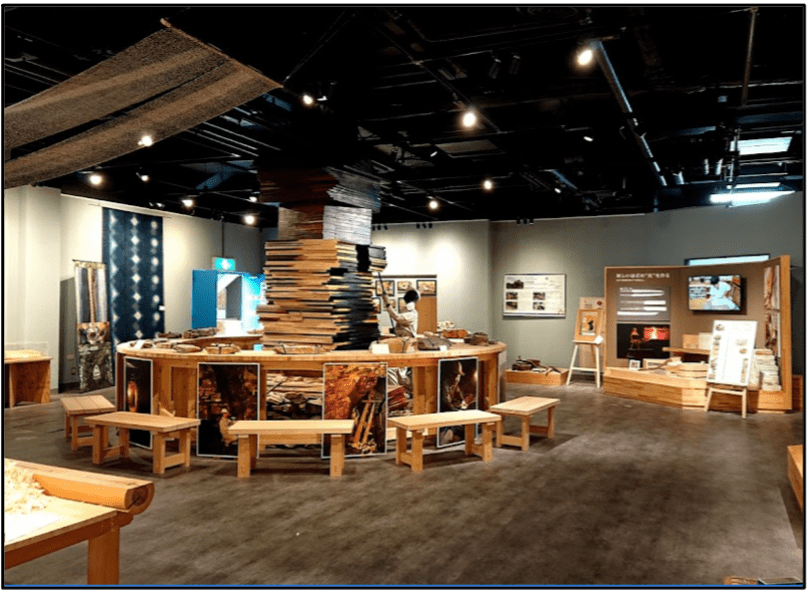
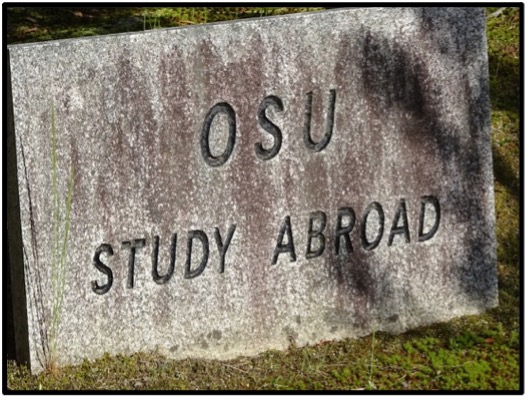
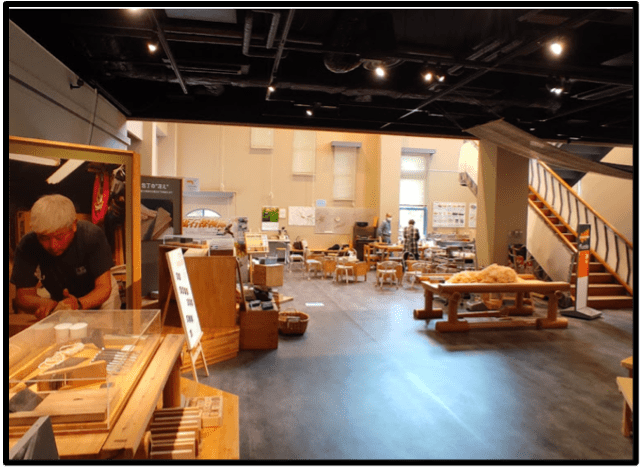
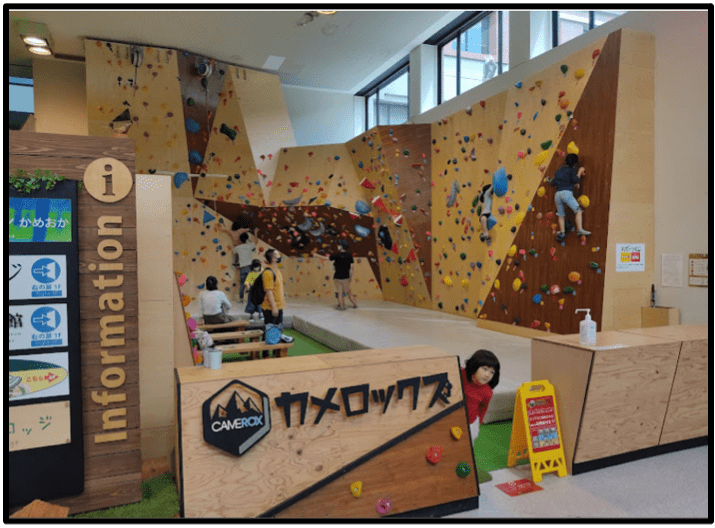
In my time spent at Oklahoma State University, I had never heard of this mysterious “OSU-K” campus and had no clue of its existence. The few articles and one book I found on OSU-K never spoke of the exact date or reason that it closed its doors for good. The whole topic of OSU-K appears to be extremely “hush-hush”. Even in the one book that documents the history of Stillwater-Kameoka relations, there is very little information.
From the limited resources available, I’ve found approximately four main points that are strong indicators of exactly why it closed, but this information is based on speculation. The article I’m sourcing from is from one of the main founders of the OSU-K campus and Sister City relations in general. The first possibility for the closure was the geographical location itself. Kyoto is the original capitol of Japan, and because of this, has numerous exceptional universities. Rather than attend a branch campus of a university that existed in a southern American state that many Japanese people had never even heard of, they went to one of Kyoto’s local universities. This made the recruitment task especially difficult for OSU-K faculty to acquire the number of students needed to recuperate finances. The second main reason, and perhaps for me the most telling, is that for an unknown reason, Kyoto prefecture refused to accredit the university. This was another devastating strike against OSU-K. The third reason was that the tuition was among the highest for a university of its kind. During this period, many American universities were setting up branch campuses in Japan, and unfortunately, the higher OSU-K tuition was difficult to justify. The fourth and final blow to OSU-K was Japan’s financial situation. Japan had experienced financial prosperity for the past 30 to 35 years, but that abruptly ended and the government funding was shut off from OSU-K. Having received nearly all of its funds from the Japanese government, OSU-K had nowhere to turn for funding, and it was forced to shut down.
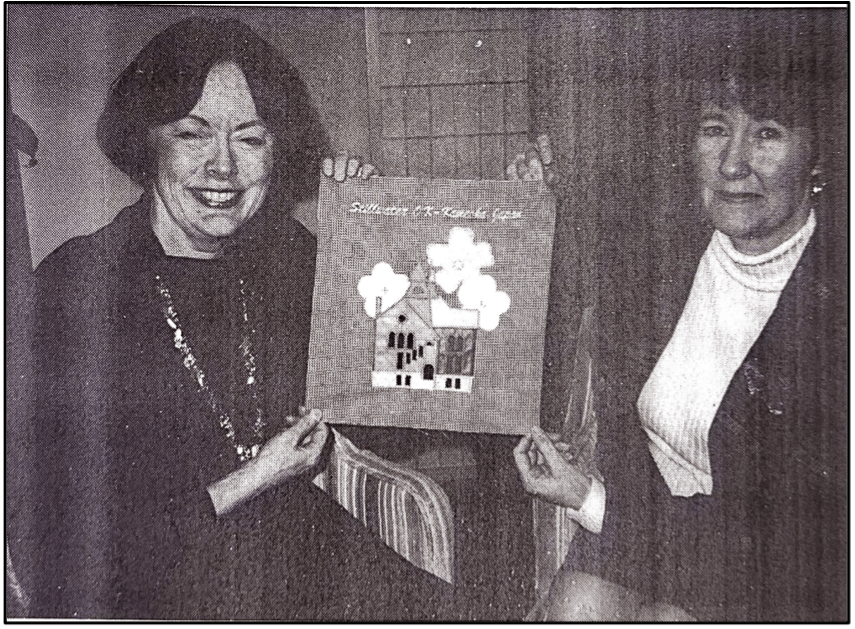
Looking back in retrospect at all the research I’ve conducted on the Oklahoma State University-Kyoto endeavor, there were many challenges to overcome. Since this was a new endeavor, there was a high possibility for unforeseen circumstances. Although an immense amount of planning and effort went into the OSU-K project, external factors were possibly overlooked. Clearance for securing certified degrees with Kyoto prefecture was not obtained. The university tuition was expensive as compared to other more respected universities in the area. After careful consideration and asking “Why does all of this matter? Why does the closure of OSU-K matter in modern times?” I have finally come up with a theory. Oklahoma State University-Kyoto was a wonderful plan, but the timing and execution were ahead of its time. OSU-K officials had been previously notified by a well-respected financial advisor that the University would more than likely not be successful in the long run. The depletion of funds was a contributing factor in the closure of OSU-K.
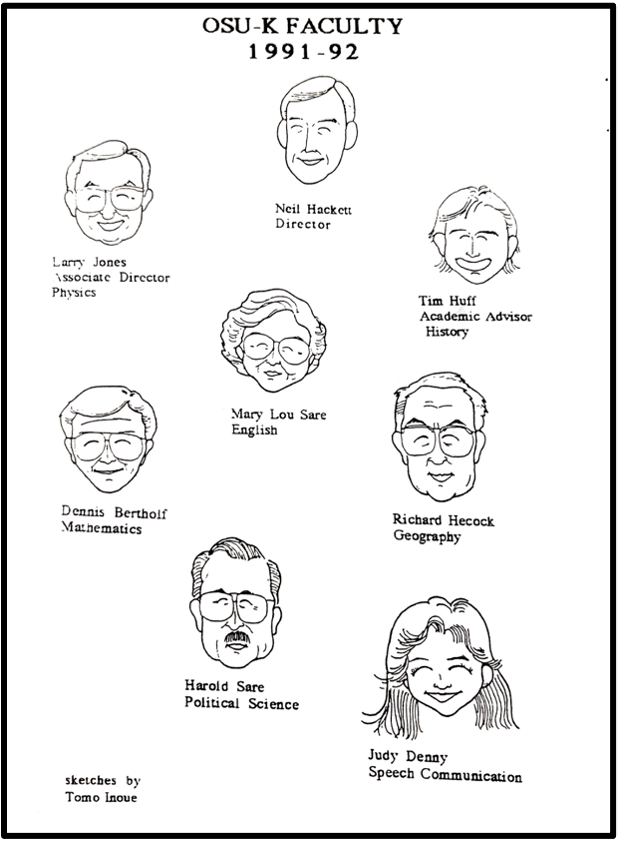
Another question is, “Why was Oklahoma State University- Kyoto created to begin with?” The answer lies in the fact that it was created in a flurry of excitement about cultural exchange focusing on development of Sister Cities relations within a time of prosperity both in Japan and the United States. The OSU-K University was opened to expand the Oklahoma State brand on a global scale. Indeed, cultural exchange is important for various reasons; one reason being that it gets the community involved on a personal level with citizens from other countries and cultures. For example, an exchange program with middle school students from both Stillwater and Kameoka instilled a sense of cultural diversity and friendship. This program was extremely successful, and students looked forward to the annual exchange with much anticipation. However, due to lack of funding for both entities, the program was unable to continue.
Lastly, I would like to discuss the seemingly decreasing knowledge that Stillwater citizens have about the current events in Kameoka while Kameoka residents continue to maintain their interest in Stillwater. While researching posts on Facebook from both official city accounts, I discovered that Kameoka continues to keep up with Stillwater’s currents events.
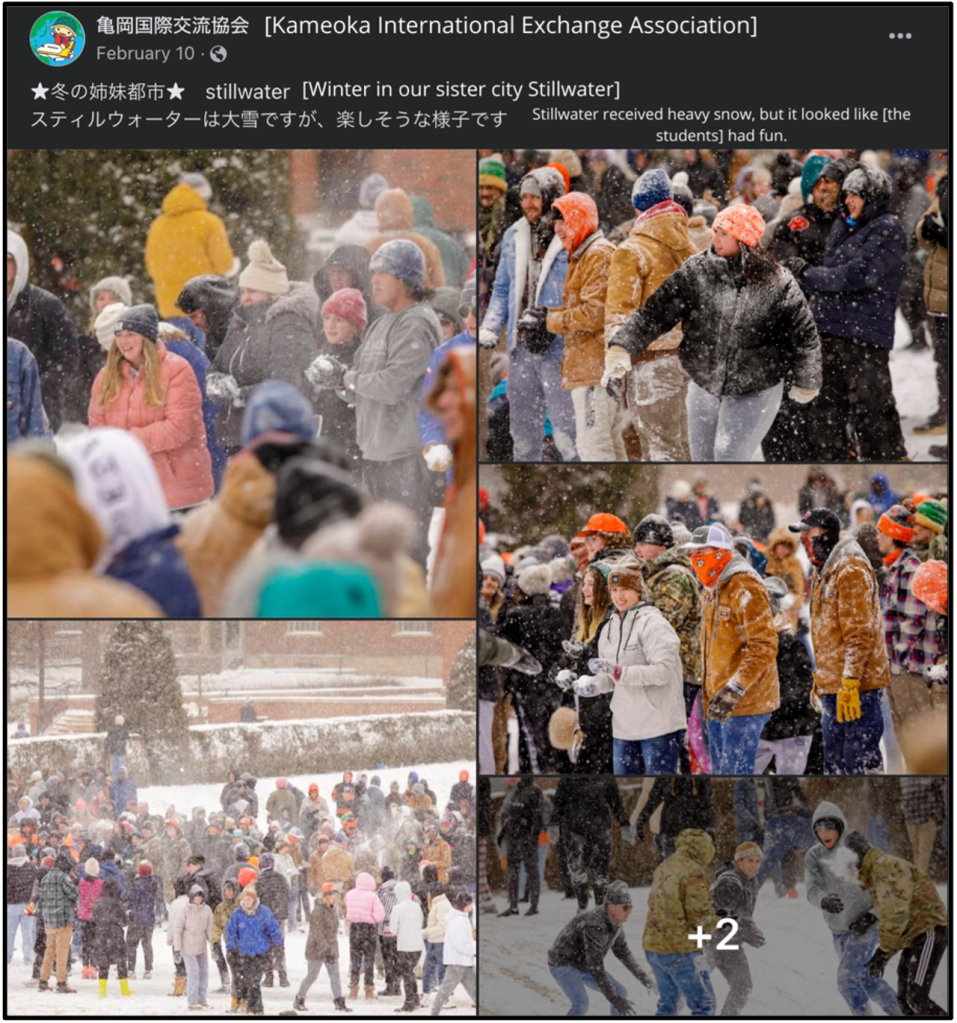
Kameoka created a post in February 2022 commenting on the Oklahoma State University student-lead snowball fight. The post can be seen above, with the English translation I have created. However, I have not found any posts from the City of Stillwater or its residents concerning current Kameoka affairs.
Based on my review and research of historical documents and a new understanding of international cultural exchanges, I have developed a few recommendations that could be used to improve OSU-K and the cultural interface with Stillwater and Kameoka. For example, the unique cultures of Stillwater and Oklahoma State University could be included as part of the restored OSU-K campus. However, another possibility could be to restructure the financial plan for the OSU-K campus and reopen the OSU-K campus as an actual accredited university with one specific purpose and degree program that can’t be found anywhere else. Also, the tuition could be adjusted so that it can be accessed by more students and compete with local universities.
As for the City of Stillwater, the Sister City Council should improve public participation by making their presence more publicly known and publicizing their meetings. However, the covid 19 pandemic could have been a factor for the decrease in meetings. In addition, the Sister City Council could collaborate with the Oklahoma State University Japanese Language Club and Japanese Student Association to promote events and participation among the student body. This would foster intercultural relations. To promote public awareness, the city should consider placing a memorial placard in front of the Kameoka Trail wooden sign to inform the public of its significance.
In summary, my research has shown that Stillwater and Oklahoma State University created unique intercultural relationships with Kameoka, Japan. These relationships resulted in the creation of Oklahoma State University-Kyoto and Stillwaterland in Japan, and traditional Japanese memorial parks in Stillwater. With the closure of OSU-K, and the decline of interest in the sister city program, the cultural interrelations with Kameoka were lost. Oklahoma State University should consider revitalizing their relationship with Kameoka. Reopening OSU-K as an accredited specialized University should also be considered. The City of Stillwater should enhance its participation in the sister city program to continue to create a unique cultural experience for college students and citizens. I am convinced that improving the intercultural relationship with Kameoka will benefit both Oklahoma State University and the City of Stillwater. This paper only details an extremely small part of the full story of Stillwater and Kameoka. It is dedicated to Professor Larry Jones, the only other person documenting this history. He has written three books about the history of the sister cities of Stillwater and Kameoka. He helped establish the Stillwater-Kameoka sister city relationship and OSU-K campus. Professor Jones is a longtime Stillwater resident and retired Oklahoma State professor. However, his story remains unfinished. Perhaps one day, Larry Jones’s life’s work and story will be completed.
EPILOGUE
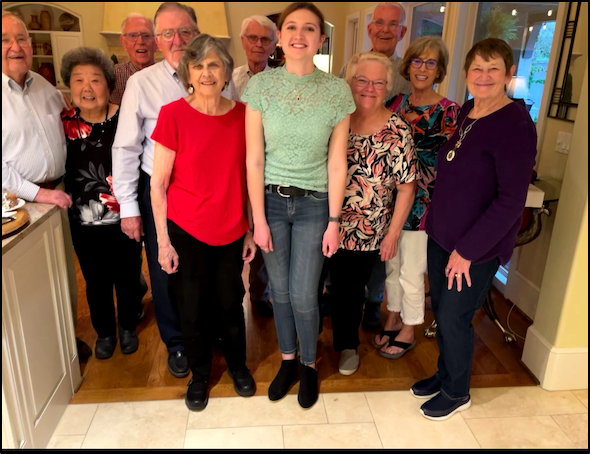
Upon completion of this research, by happenstance, through a series of wonderful people, I was able to contact a longtime member of the Stillwater Sister City Council. Mrs. Irby graciously met with me in the Kameoka room at the Stillwater Community Center where we discussed my research. I was invited to a dinner honoring Dr. Larry Jones and his wife Kayo for their dedication to the sister city relations with Kameoka. The Council seemed enthusiastic about revamping the Sister City Council and getting new members involved to begin a new era in Sister City History. The mayor of Stillwater even seemed enthusiastic about renewing the relationship. The people of the Council were some of the most wonderful people I have ever had the pleasure of meeting, and their appreciation and excitement for the Sister City relations is apparent. The members of the council encouraged me to apply for the student position on the Sister City Council, and I am excited about participating in the next chapter of relations with the city of Kameoka.
Works Cited
Japan Experience. “Kameoka Guide.” Kameoka Guide | Japan Experience, 30 Sept. 2016, https://www.japan-experience.com/all-about-japan/kyoto/attractions-excursions/kameoka.
Adwar, Corey. “Why Sister Cities Matter More than You Think.” Business Insider, Business Insider, 8 May 2014, https://www.businessinsider.com/why-sister-cities-matter-more-than-you-think-2014-5.
Jones, Larry. “Kameoka Corner: Japanese City Builds Relationship with City of Stillwater.” Stillwater News Press, 2 Nov. 2014, https://www.stwnewspress.com/community/local_columnists/kameoka-corner-japanese-city-builds-relationship-with-city-of-stillwater/article_7afe7a98-622b-11e4-bf69-17c40db629f8.html.
Jones, Larry. Kameoka and Stillwater: sister cities: ten years of memories: prepared to commemorate the tenth anniversary of the Kameoka, Kyoto, Japan and Stillwater, Oklahoma, USA Sister City Relationship November 3, 1985 to November 3, 1995. Stillwater, Oklahoma, 03 Nov. 1995.
Jones, Larry. Kameoka and Stillwater : sister cities. The second decade of memories. Kameoka, Kyoto, Japan and Stillwater, Oklahoma, USA Sister City Relationship November 3, 1985 to 2005. Stillwater, Oklahoma, 2005.
City of Stillwater. “Celebrating Sister Cities through 25 Years.” SlideShare a Scribd Company, 27 Oct. 2010, https://www.slideshare.net/CityofStillwater/celebrating-sister-cities-through-25-years.
山ボーイ . “亀岡運動公園に行ってきました!バラエティ豊かな遊具が点在し、夏はプールが超人気!.” 山ボーイ&山キッズときどき山ガール, 山ボーイ&山キッズときどき山ガール, 3 Aug. 2019, https://outdoor.yorozu-surf.com/post-5425/.
亀岡市 . “アクセス・地図.” 亀岡運動公園・さくら公園, 2020, https://park-kameoka.jp/access#kame.
[OSU-K Campus Image Sketch], OSU-Kyoto Records, Special Collections and University Archives, Oklahoma State University Libraries.
Foltz, Nick. “Osu Landmark Copied for Sister Campus in Japan.” Tulsa World, 25 Feb. 2019, https://tulsaworld.com/archive/osu-landmark-copied-for-sister-campus-in-japan/article_bdfa8a17-f518-51b9-9011-862937abf332.html.
Jones, Larry. “Kameoka Corner: The Rise and Fall of the Former OSU-K Program.” Stillwater News Press, 18 Aug. 2019, https://www.stwnewspress.com/news/kameoka-corner-the-rise-and-fall-of-the-former-osu-k-program/article_e32ded7a-c06c-11e9-ab74-df93e725a4d3.html.
Jones, Larry. “Kameoka Corner: Japanese City Builds Relationship with City of Stillwater.” Stillwater News Press, 2 Nov. 2014, https://www.stwnewspress.com/community/local_columnists/kameoka-corner-japanese-city-builds-relationship-with-city-of-stillwater/article_7afe7a98-622b-11e4-bf69-17c40db629f8.html.
亀岡国際交流協会. A post demonstrating that the City of Kameoka was interacting with Oklahoma State University commenting on the recent snowfall and student-led snowball fight. Facebook, 10 Feb. 2022, https://www.facebook.com/KameokaKokusai/posts/4897352477047061. Accessed 12 Feb 2022.
ロケスポット京都 . “亀岡市交流会館|ロケ地詳細|ロケスポット京都.” ロケスポット京都, https://www.locaspot-kyoto.jp/spots/view/54.
OOHRP. “Larry and Kayo Jones: Kameoka, Japan Sister City.” YouTube, uploaded by OOHRP, 17 Sep 2020, https://youtu.be/xW3yykRvtc8
[OSU-K Faculty 1991-92 Kameokies sketch], OSU-Kyoto Records, Special Collections and University Archives, Oklahoma State University Libraries.
H_Ya. Image of modern interior of former OSU-K campus. Google Reviews, https://www.google.com/search?ie=UTF-8&client=ms-android-samsung-rvo1&source=android-browser&q=亀岡交流会館#lpg=cid:CgIgAQ%3D%3D&wptab=s:H4sIAAAAAAAAAONgVuLWT9c3LC8qSS7MyHvEaMYt8PLHPWEp3UlrTl5jVOfiCs7IL3fNK8ksqRSS5GKDsvileLmQ9fHsYuLzyU9OzAnIzwzIyC_JL17EKpOdmJuan51YnJGpkJ1fVFmqkJGYk6NQAJYGAMiywd94AAAA. Date Accessed 09 Apr. 2022.
Photographer unknown. Image of Kameoka bouldering and rock-climbing wall. Google Reviews, https://www.google.com/search?q=%E4%BA%80%E5%B2%A1%E4%BA%A4%E6%B5%81%E4%BC%9A%E9%A4%A8&source=lmns&bih=789&biw=714&hl=en&sa=X&ved=2ahUKEwj2sYeZ9af3AhXbCJ0JHS3JDpAQ_AUoAHoECAEQAA#lrd=0x6000519024cb6d71:0x447d13f5853d7525,1. Date Accessed 09 Apr. 2022.
Photographer unknown. Image of OSU Study Abroad Stone tablet. Google Reviews,https://www.google.com/search?q=%E4%BA%80%E5%B2%A1%E4%BA%A4%E6%B5%81%E4%BC%9A%E9%A4%A8&source=lmns&bih=789&biw=714&hl=en&sa=X&ved=2ahUKEwj2sYeZ9af3AhXbCJ0JHS3JDpAQ_AUoAHoECAEQAA#lrd=0x6000519024cb6d71:0x447d13f5853d7525,1. Date Accessed 09 Apr. 2022

 archiveoklahoma.com