
This page is a repository of archive summaries and data visualizations created by OSU students about the various digital collections and oral history projects maintained by the Edmon Low Library at Oklahoma State University.
Click through the slideshow to view data visualizations designed by OSU students to reflect the content and value of the various collections, and scroll down the page to learn more from the summaries, which are arranged in alphabetical order by archive name.
Visit the library’s website or contact a member of the Archives Staff to learn more about these materials.
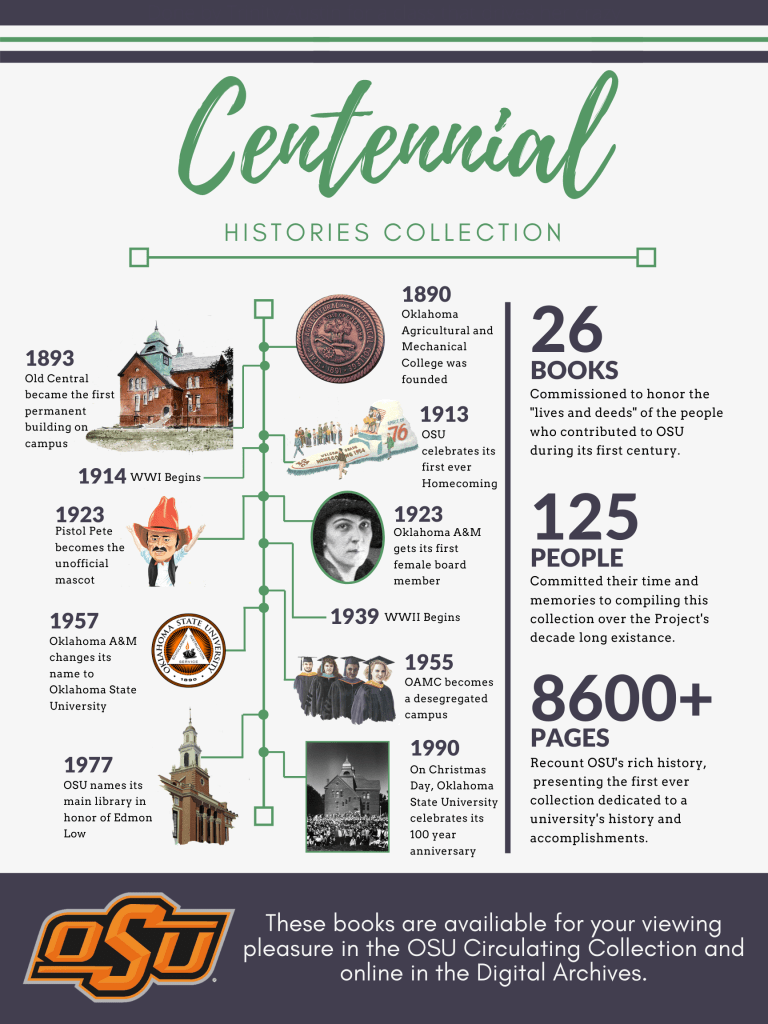
Data Viz of the Centennial Histories Series by Trinity Austin, Fall 2020 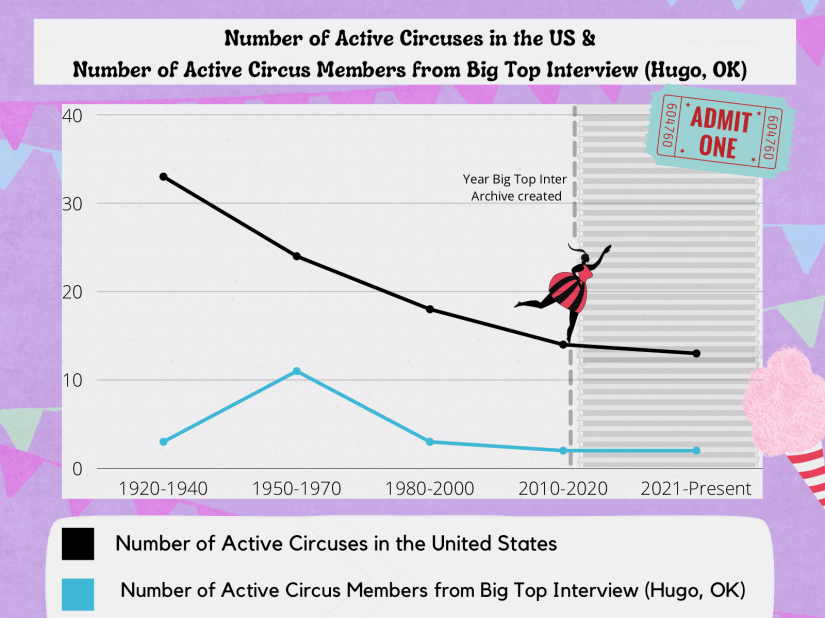
Data Viz of the Big Top Show Goes On collection by Jacie Gray, Spring 2022 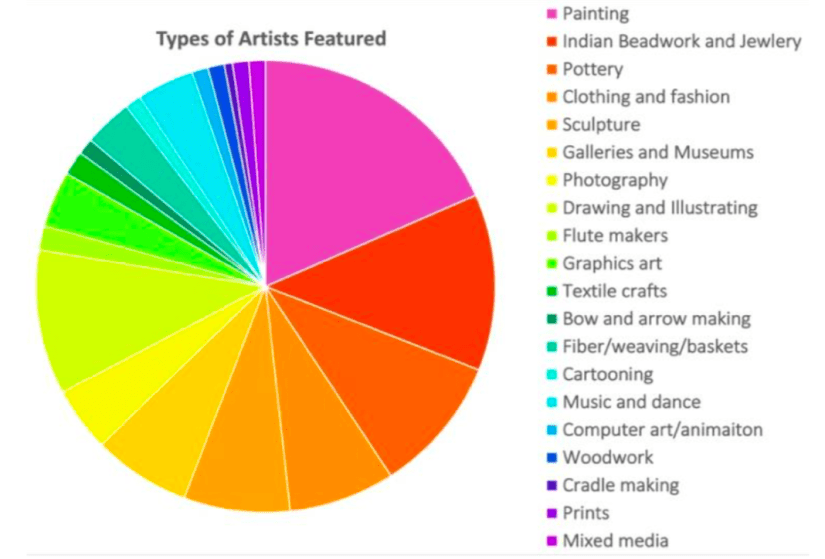
Data Viz of Oklahoma Native Artists Project by Miles Maylee, Spring 2022 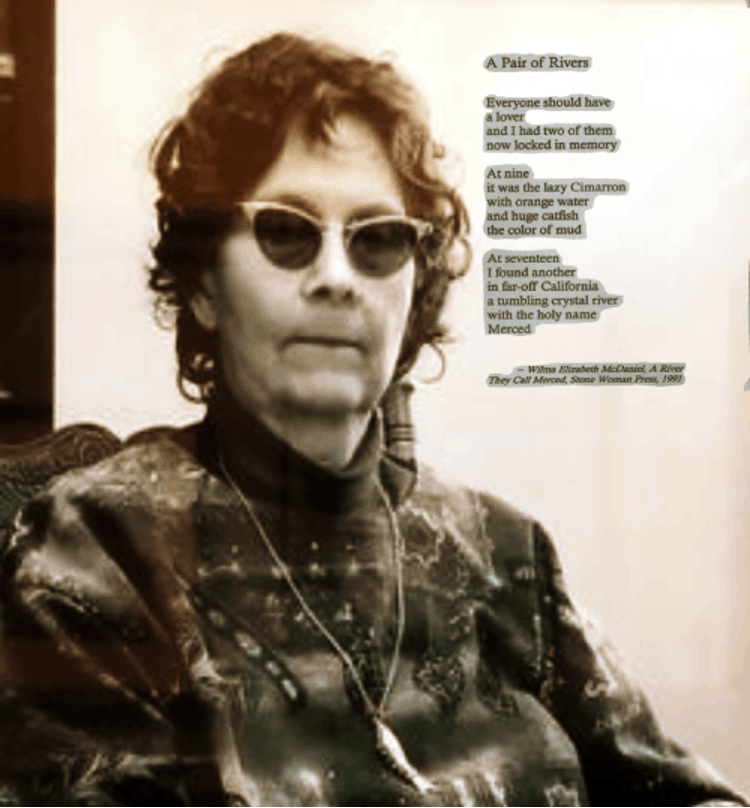
Data Viz of Wilma Elizabeth McDaniel Collection by Lora Buntin, Spring 2022 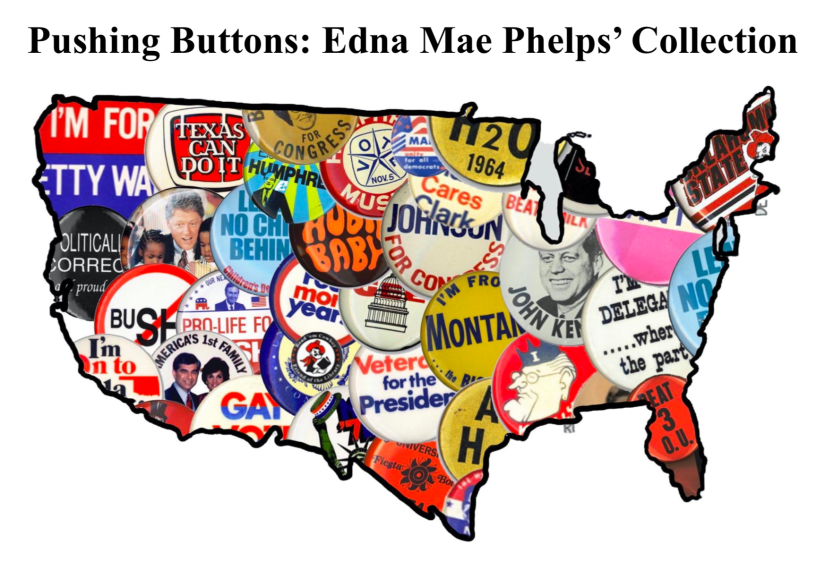
Data Viz of the Edna Mae Phelps Political Collection by Lily Chavez, Spring 2022 
Data Viz of the Oral History and Art in Taos, New Mexico Collection by Amanda Ellis, Spring 2022 
Data Viz of the Caudill Travel Fellowship collection by Sydney Gaddis, Spring 2022 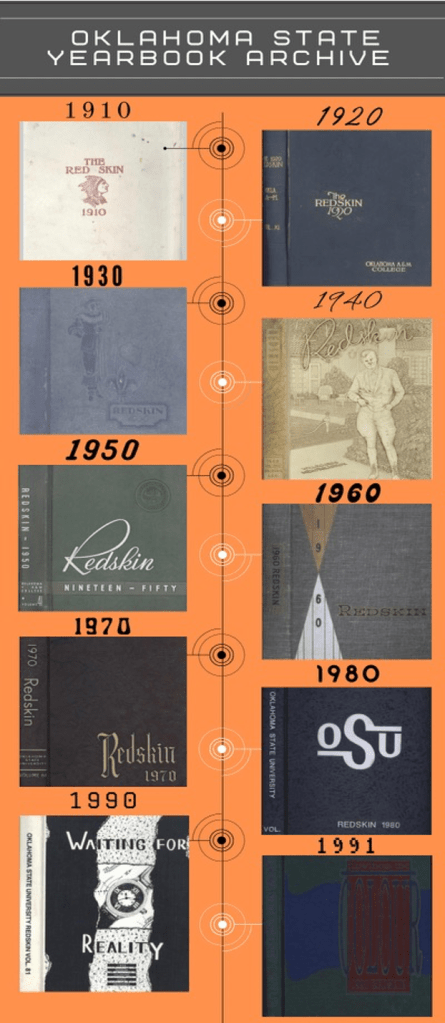
Data Viz of the OKstate Yearbook Collection by Makayla Keirsey, Spring 2022 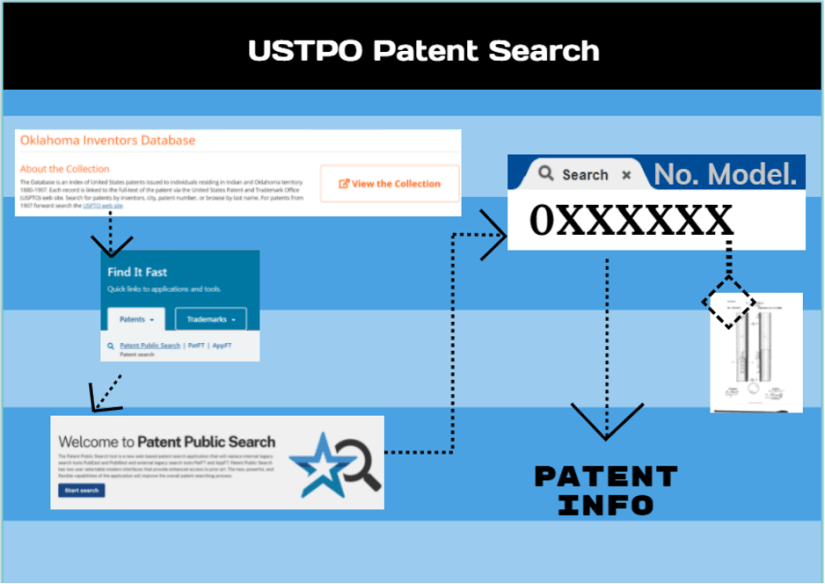
Data Viz of the Oklahoma Inventors Database by Joshua Levick, Spring 2022 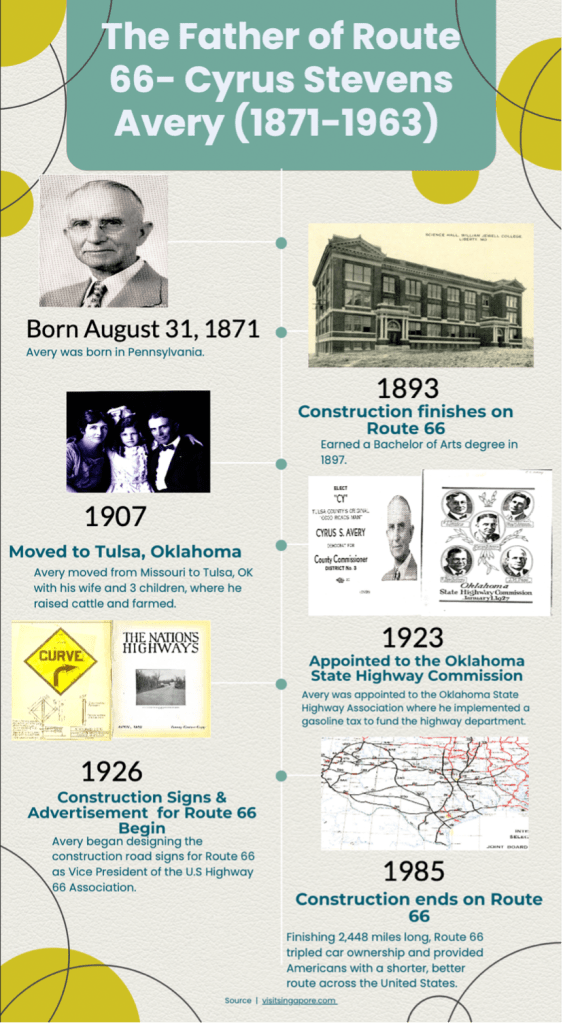
Data Viz of the Cyrus Avery Collection by Kennadi Price, Spring 2022 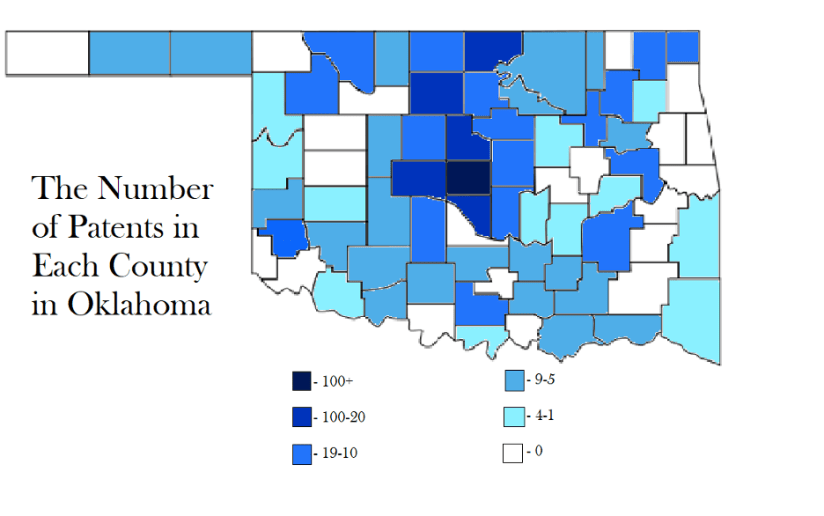
Data Viz of the Oklahoma Inventors Database by Anna Rechtin, Spring 2022 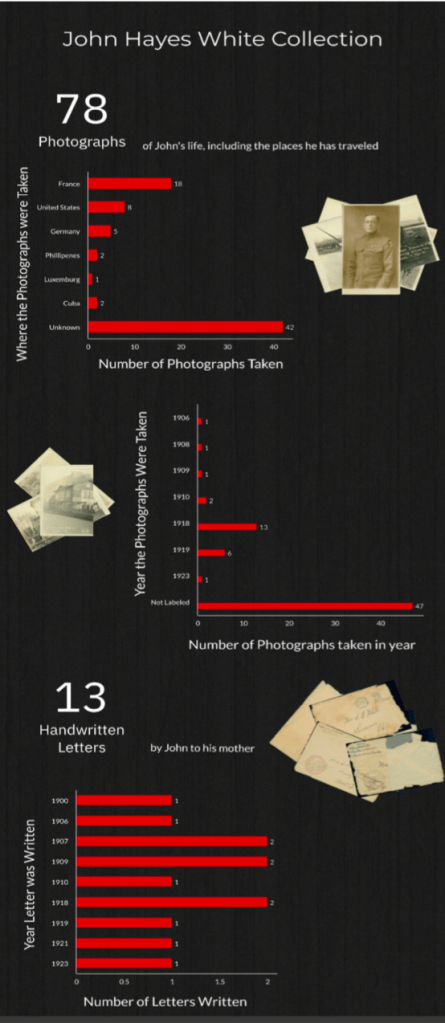
Data Viz of the John Hayes White Collection by Mason Zweiacker, Spring 2022 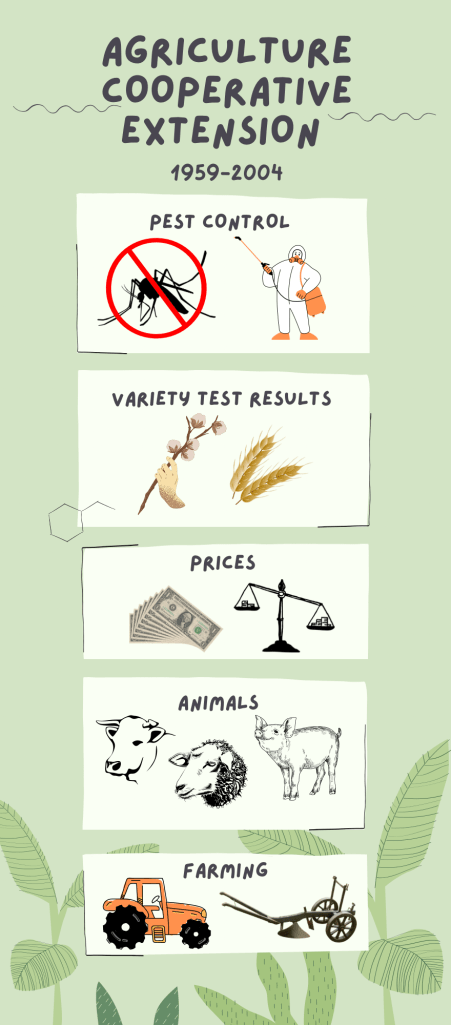
Data Vix of the Ag Cooperative Extension collection by Morgan Ritchie, Spring 2022 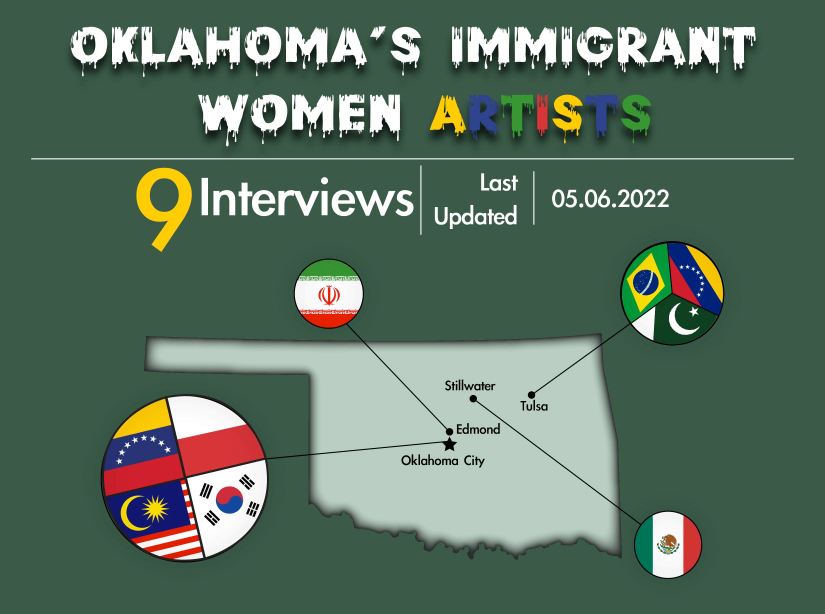
Data Viz of Oklahoma’s Immigrant Women Artitsts collection by Jazmin Aguirre, Spring 2022 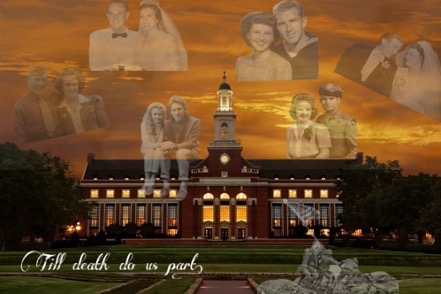
Data Viz of the Married for Life Oral History Project by Imani Mwema, Fall 2020 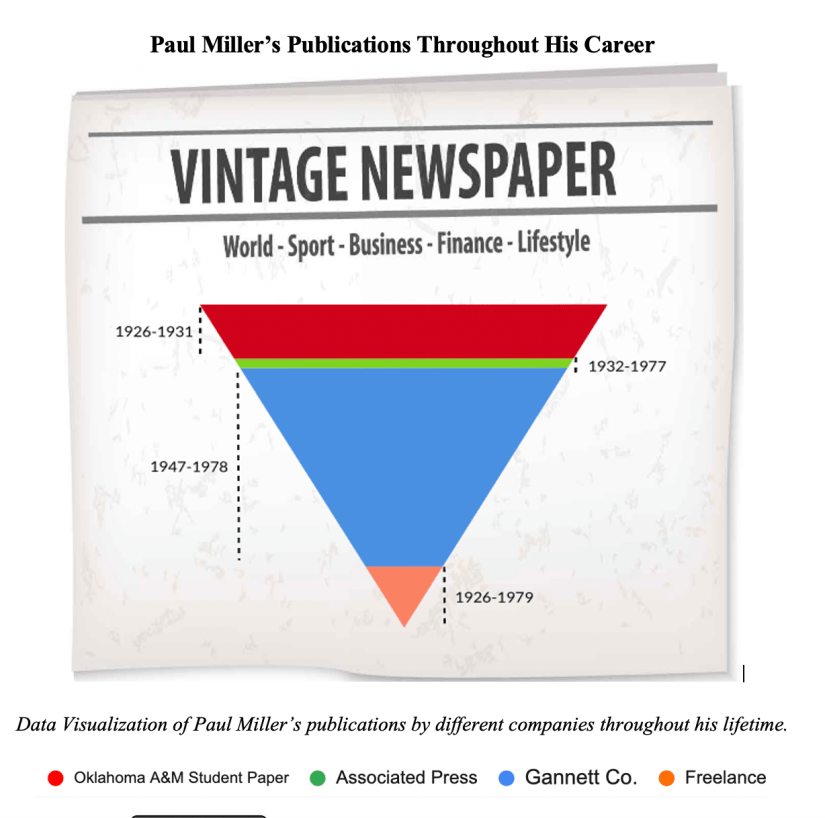
Data Viz of the Paul Miller Collection by Cole Crockett, Fall 2020 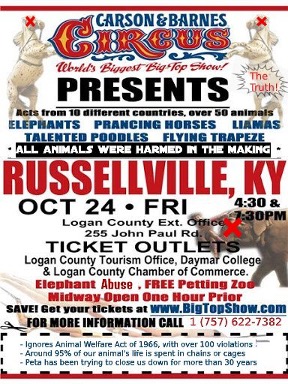
Data Viz oif the Big Top Show Goes On collection by James Drumright, Fall 2020 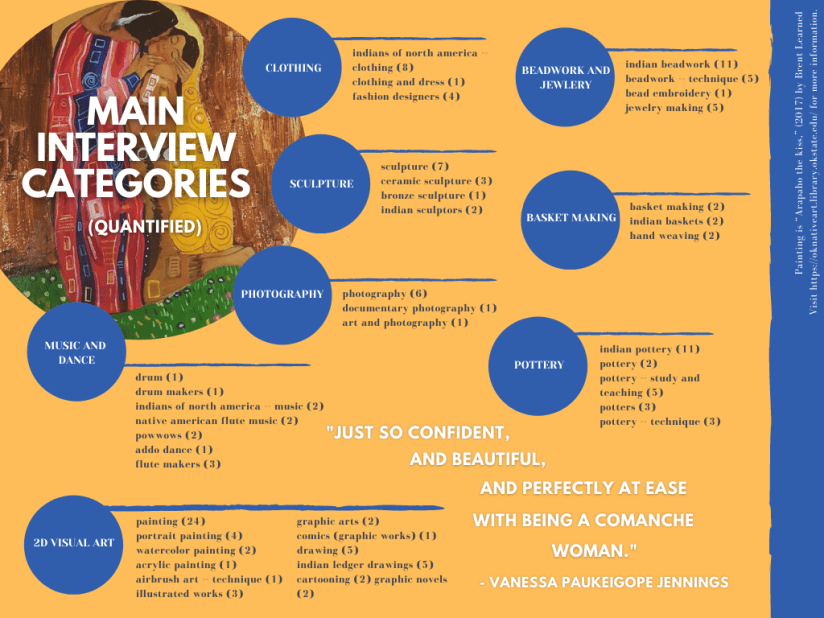
Data Viz of the Oklahoma Native Artists Project by Amber Johnson, Fall 2020 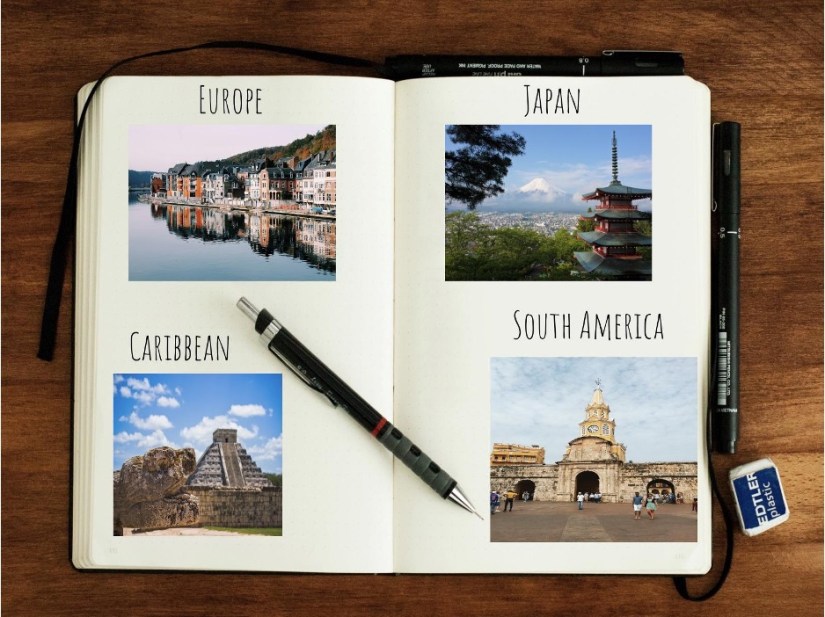
Data Viz of the Caudill Travel Fellowship collection by Emmanuel Fasanya, Fall 2020 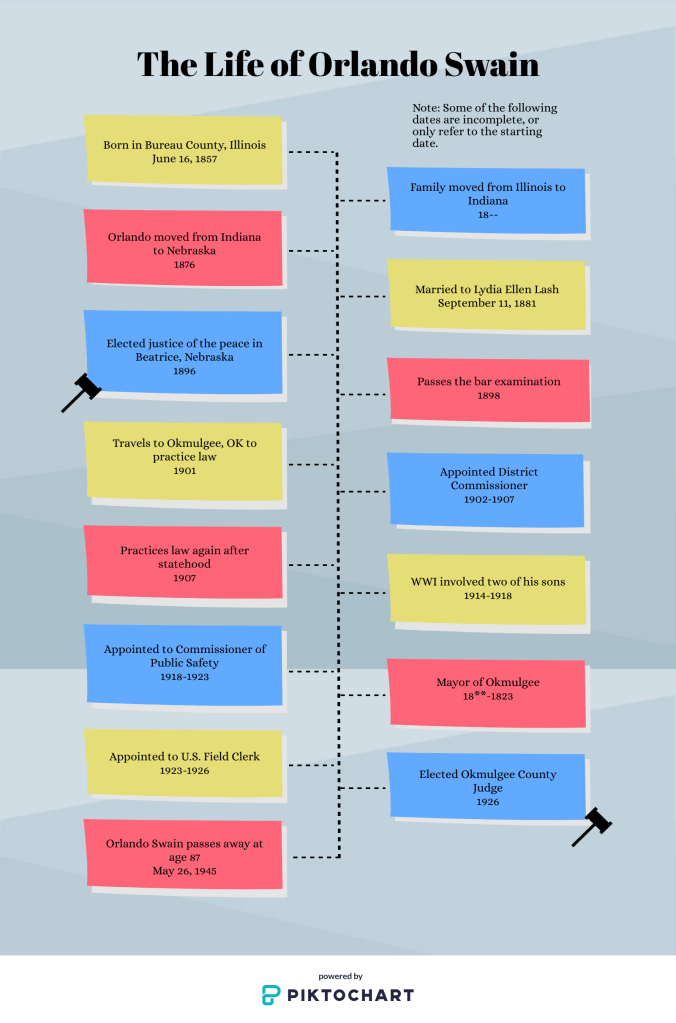
Data Viz of the Fifty Golden Years / Memoirs of Orlando Swain collection by Lance Patterson, Fall 2020 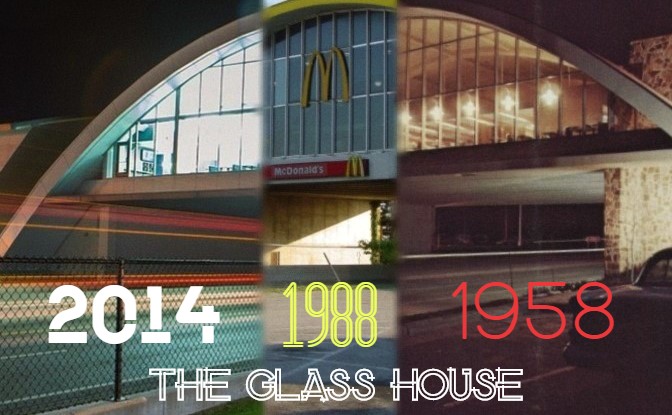
Data Viz of the Glass House Oral History Project by Anatoliy Lawrence, Fall 2020 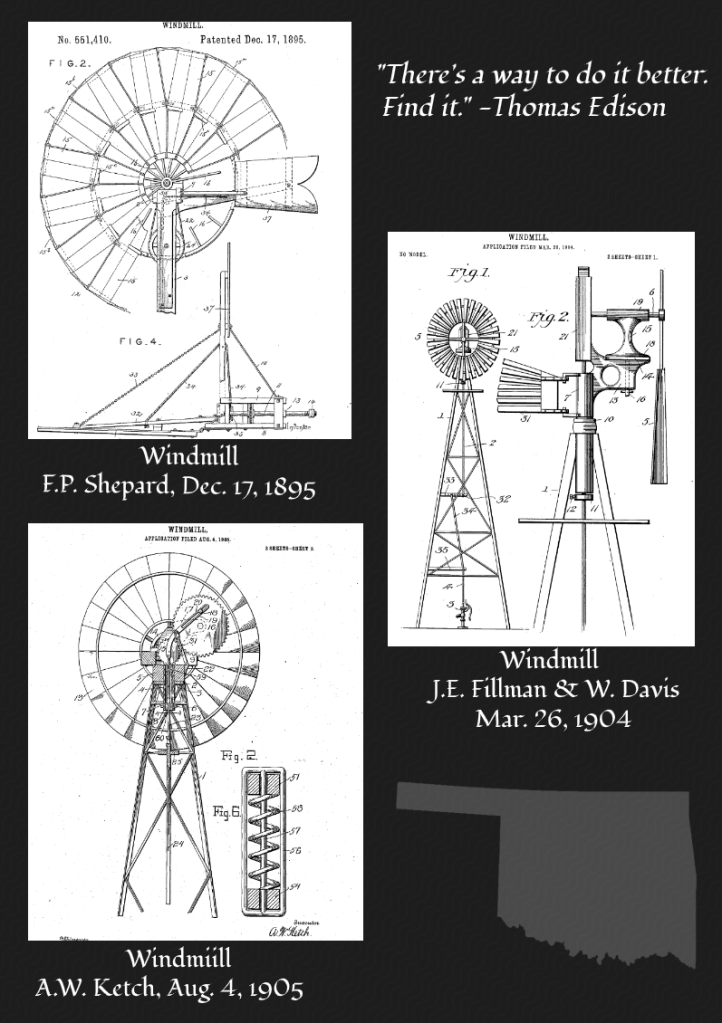
Data Viz of the Oklahoma Inventors Database by Alex Jasso, Fall 2020 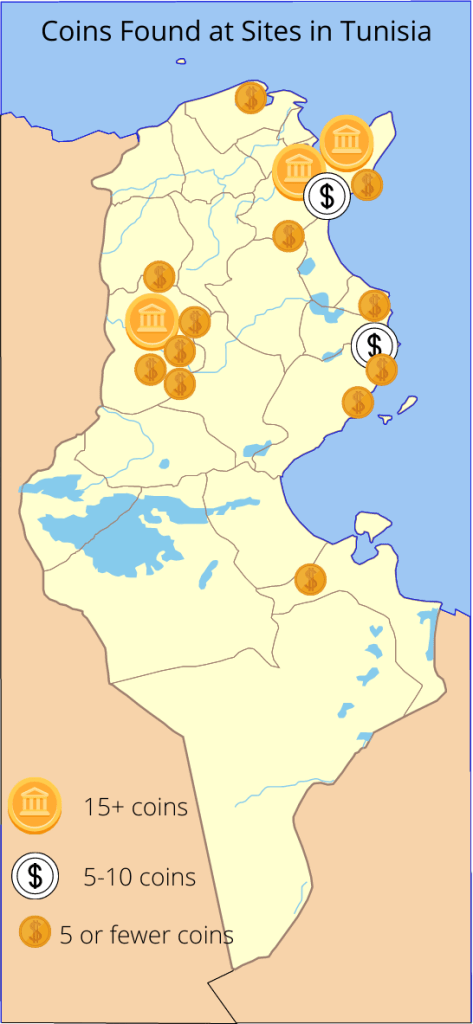
Data Viz of the Dr. Bill F. and Jean Kelso Collection of Ancient Coins by John Dorlon IV, Fall 2020 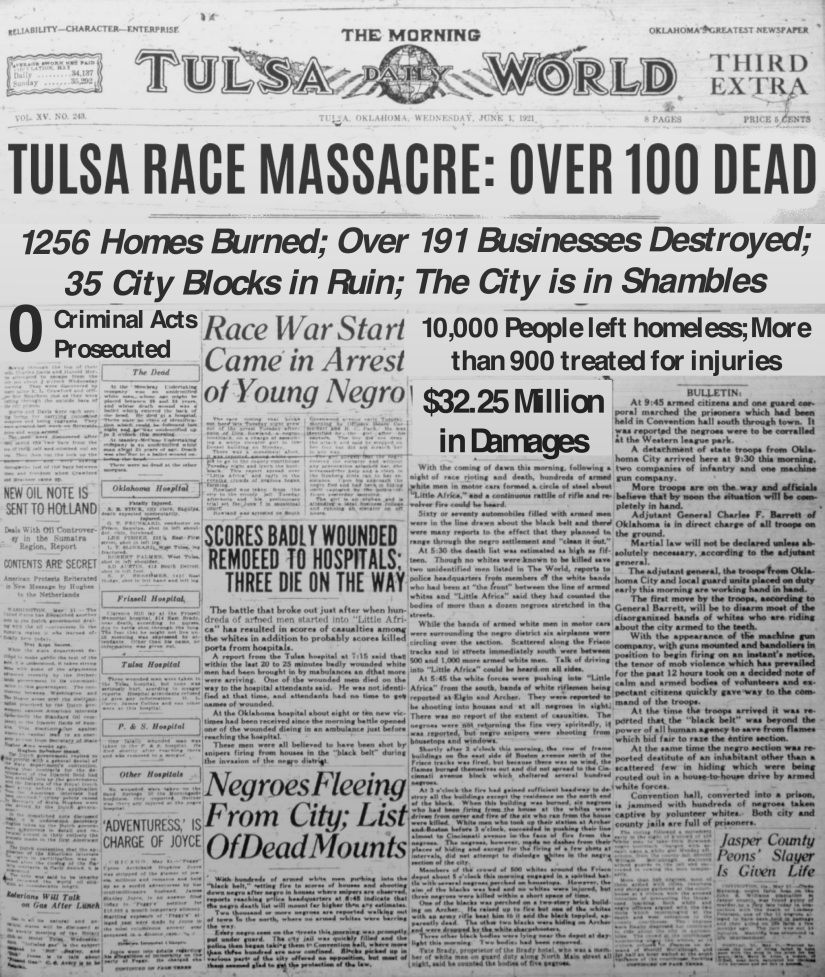


The Cyrus Avery Collection
Route 66, often called “The Mother Road of America” started to be built in 1926. An Oklahoma businessman has been named “The Father of Route 66.” This man is named Cyrus Stevens Avery. Avery was born in 1871 in Pennsylvania and moved to Missouri when he was 10 years old. At 22 years of age, Avery enrolled at the William Jewel College and graduated 4 years later. Upon graduating, Avery moved his wife and three children to Tulsa, Oklahoma where he started farming and raising cattle. Avery developed a passion for highways after being exposed to the Good Roads Movement in Missouri and decided to get more involved in highway system associations in Oklahoma. After years of involvement, he was elected chairman of the Tulsa County Commission, and later appointed to the Oklahoma State Highway Commission where he executed a gasoline tax fund to the highway department. He was also appointed to the Joint Board of Interstate Highways by the United States Secretary of Agriculture. This led him to lead an important plan from a request by Congress to have a road running from Virginia to Los Angeles. Avery led many meetings of men to decide the best routes to take in this highway project. He also helped design construction signs and promoted many details for the U.S 66 Association.
The Cyrus S. Avery collection consists of many images of his life including pictures of his family, farm, house, and even portraits. This collection also includes documentation from the building of Route 66. This includes a financial ledger of the funds spent of the project, documentation of meetings, letters addressing the members, road sign sketches, and letters dated from 1926 to 1958.

The “Big Top” Show Goes On: An Oral History of Occupations Inside and Outside the Canvas Circus Tent
Come one come all and experience the mystery and wonder of the small town of Hugo, Oklahoma! Although Hugo may seem like a quaint farming town, it is home to a surprising secret…Many of Hugo’s residents are circus performers and active in the circus industry! The “”Big Top” Show Goes On: An Oral History of Occupations Inside and Outside the Canvas Circus Tent”” presented by the Oklahoma State University Archives, gives the researcher an inside look at day-to-day circus life and culture, and features over twenty-two audio interviews and photographs with various Hugo residents, representing all aspects of the circus industry, from performers, ringmasters, to local Hugo business owners. Many of the interviews are from people who were involved in the circus during the 1950s- 1970’s. The interviews were conducted during the year of 2011 and 2012.
The number of Big Top circuses in the United States has been steadily decreasing over the past one hundred years. As a result, the circus culture and lifestyle has become endangered. Hugo, Oklahoma is one of the last remaining cities in the United States that still preserves the “Big Top” way of life, language, and culture. Despite the decline in circus popularity, Hugo still has the “Big Top” town charm that residents know and love. Currently, over 20% of the remaining active circuses in the United States reside there. The overall goal of the “Big Top” oral history project was to capture a moment in time that will soon be forgotten, and to preserve a unique part of American history. To effectively utilize and comprehend this collection, I recommend starting with the introductory podcast episode, Amplified Oklahoma Episode 23, then working your way through audio interviews that you find interesting.
The “Big Top Show Goes On” oral history project makes an effort at preserving the rich culture surrounding the circuses in the small town of Hugo, Oklahoma. Today, circuses slowly dwindle down, with only three remaining in Hugo. The archive shows the magic and illusion circuses create, but does not shine a light on the cruel truth about why this culture is having to be preserved. This sad reality is largely due to the cruel treatment of the circus animals and the methods used to train them for the shows. PETA’s rising activism and consistency towards animal rights has opened up the eyes of the public and even aided in a few different laws being passed, causing many circuses to close down as time goes on. These oral interviews, which first took place in 2011, are a method to preserve and remember the magic created by the circus, which is now almost extinct.
Centennial Histories Series

A century is a milestone of where we have been, and where we are going next, so when Oklahoma State University was approaching their centennial anniversary, they aspired to create a literary collection dedicated to honoring the lives and achievements of the people who contributed to OSU in its first hundred years. Such a series appears to be commonplace, yet it became a truly groundbreaking endeavor that now serves as an exemplar for similar collections created by other higher education institutes. This anthology of twenty-six books covers OSU’s extensive history, covering topics from research innovations to equal opportunity found on campus. Directed by Robert B. Kamm, the president of OSU at the time of the series, the collection features work by Dr. Pauline Kopecky, a woman who dedicated her life to establishing equality at OSU, as well as Donald E. Green, a historian who focused his career on the agricultural achievements at the university. Writing and compiling the collection took over a decade, with hundreds if not thousands of people dedicating their time and memories to accurately recount the rich history of Oklahoma State University as well as its extensive influence on the entire state of Oklahoma. Exploring the books within this collection will bring it readers face to face with the widespread and sometimes controversial past of OSU, delving into the tensions of integrating women and African Americans into higher education, and the important role that the university played in international conflicts such as World War II that impacted the entire country. This collection was created for the general public with a desire to share OSU’s history in an easily accessible format. Accessing this collection is easy as the books are available online in the digital archive and are also in the circulating collection within the Edmon Low Library.
Caudill Travel Fellowship collection
The Caudill Travel Fellowship pays tribute to William Wayne Caudill as being one of the most influential architects to come out of Oklahoma. William Wayne Caudill was born on May 25, 1914 in Hobart, Oklahoma. Mr. Caudill went to Oklahoma State University and graduated with a bachelor degree from the School of Architecture in 1937. He then went to Massachusetts Institute of Technology (MIT) to receive a masters degree in architecture in 1939. Following his masters degree, he taught architecture at Texas A&M, where his desire for educating students and creating a better learning environment arose. During his time at Texas A&M, Caudill wrote a book, “Space for Teaching,” about designing better spaces for students to learn. He also served in the U.S. Army Corps of Engineers in 1942–44 and in the U.S. Navy in 1944–45. From 1946-1949, Caudill was part of the Texas Engineering Experiment Station as a research architect where he led work on integrating daylight and ventilation into schools. This research was later embodied into the architecture firm he started in 1948 with two friends, John M. Rowlett and Wallie E. Scott, named Caudill Rowlett Scott and Associates (CRS). They designed their first school in 1948 called Hudson Elementary in Blackwell, Oklahoma. They went on to be one the largest contractor companies in the country and has created business all over the world from Argentina to Zaire with their company leading the wave new way of building & designing schools and eventually commercial and private buildings.
The Caudill Travel Fellowship is a scholarship program started in 1984 by Caudill’s family after his death for architecture graduates to travel abroad and participate in an independent study. If chosen to participate, you were required to keep a journal of your travel throughout your program as a way to reflect and analyze the journey of what they saw and learned. The school archives contain some of the first journals dating back to the third recipient of the program in 1986 to Europe. Caudill Fellows have visited places across Europe, Southeast Asia, the Northern Mediterranean Islands, Japan, The Caribbean, and South America.
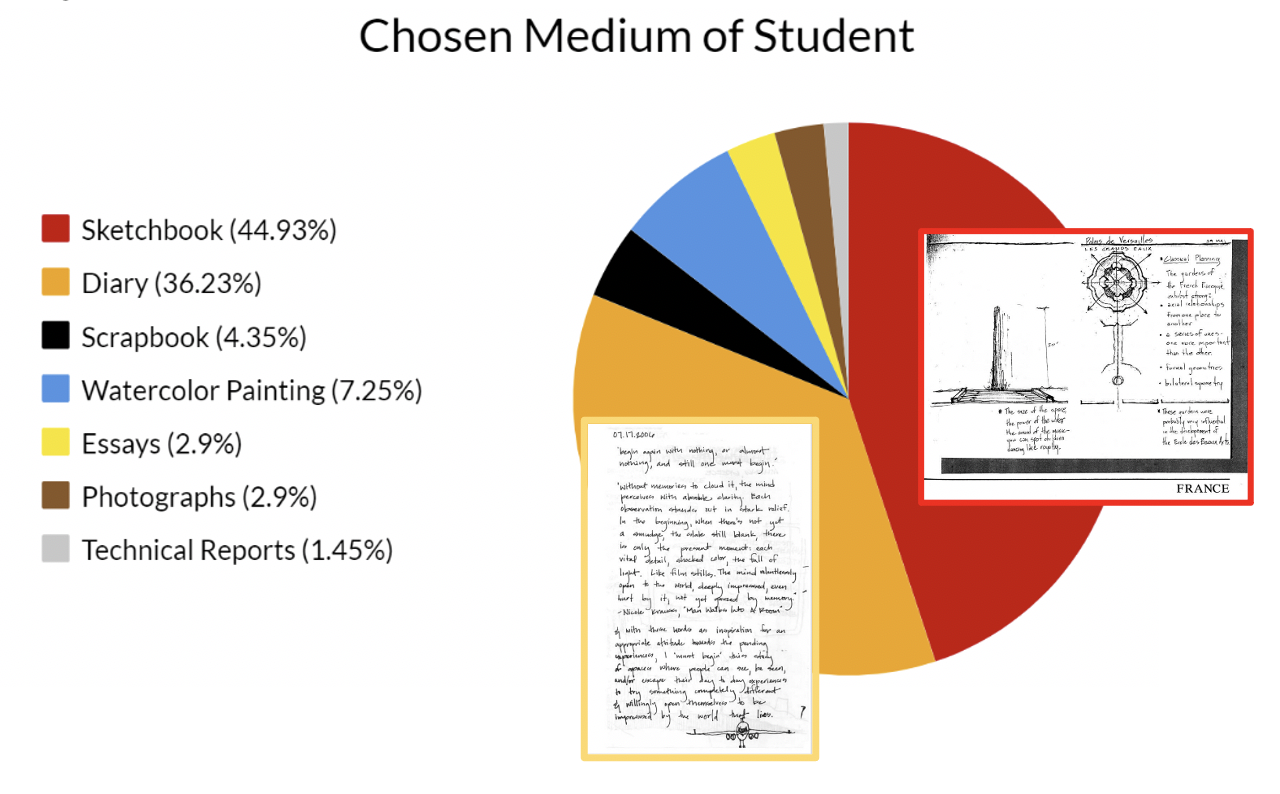
Included in the collection are multiple forms of media, detailing the experiences of each student who studies abroad. While the students where required to turn in some evidence of their studies, the students where free to choose how they wanted to document their travels. The sketchbooks are outlines of the architecture that they saw, along with notes in the margins that explain the architect, their thoughts, or different techniques they observed. The diaries are just written pages that give their thoughts about the places they visited, and which places they liked over others. Scrapbooks include tickets from different places they visited. Watercolor is just paintings done by the student of the architecture.
The program is still in effect today and the archives provide a way for anyone to see the progression of architecture, see how different architecture is in different parts of the world, and provides a reader an historic timeline for things to come.
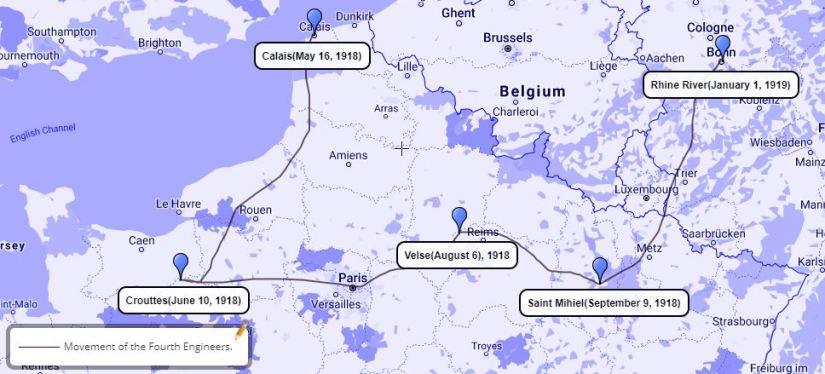
From Columbia to the Rhine
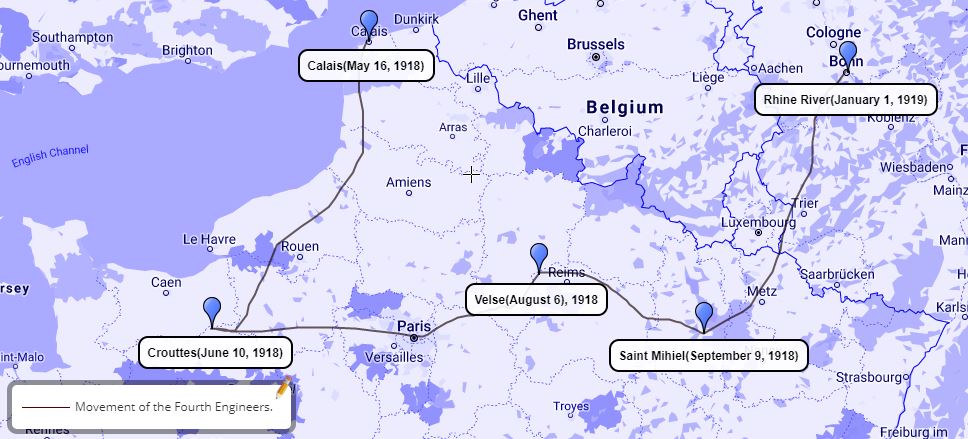
In 1917, a battalion of combat engineers were gearing up to fight for our country during World War I. Splintering from the Second Division of Engineers, the Fourth Engineers was a group of highly specialized soldiers, trained to construct during the war rather than destroy. They conducted road and bridge repairs, built shelters, maintained communication lines, and defused landmines. “From Columbia to Rhine” gives an account of the men’s lives in the Fourth Engineers as they traveled from the Columbia River in Washington to the Rhine River in Germany. It is a digital copy of a book written, illustrated, and edited by those engineers in the fourth regiment. They point out in the book that it was “written by men who are not writers, illustrated by men who are not artists, edited by men who are not editors.” It was published in 1919 with German printers. The book itself is an archive filled with the stories of those who were in the Fourth Engineers. From a third-person point of view to the records of the regiment, you can dive right into their lives. The archive also hosts many pictures as well as letters from officials who fought with the Fourth Engineers. This user-friendly archive is hosted by the OkState library’s digital collection. The digital archive includes a quick section finder next to the digital copy of the book, so you can read about specific sections you are looking for. The sections are split up by different events of the Fourth Engineers. The archive was added to the library’s digital collection by the Electronic Publishing Center, an early digitalization effort from 2000 to 2008.
Fifty Golden Years – Memoirs of Oklahoma Judge Orlando Swain
On September 13, 1931, Judge Orlando Swain was surprised by family member’s throwing him and his wife, Lydia, a fiftieth anniversary party. He and his wife were delighted by the gifts and love which they received from their children. In response, he was inspired to make a memoir of the past fifty years to give to his children and grandchildren for them to know more about their father and grandfather’s life.
The archive contains a scanned copy of the Fifty Golden Years memoir, which includes a title page, a dedication page, and forty-three pages of memoirs. The memoir could be of interest to those looking to research select topics or by those who enjoy sitting down by the fireplace to listen to grandpa unearth stories from the mines of his memory. Among the various topics covered, is the development of Oklahoma in the years preceding statehood. Orlando Swain held various magisterial and educational positions in the Oklahoma territory, and eventually the state. Also of interest, could be the paragraphs which he wrote about the residual prejudice from the Civil War that prevented a Methodist church from reuniting. On the topic Orlando Swain writes, “There is no antidote for prejudice except the proper funeral.”
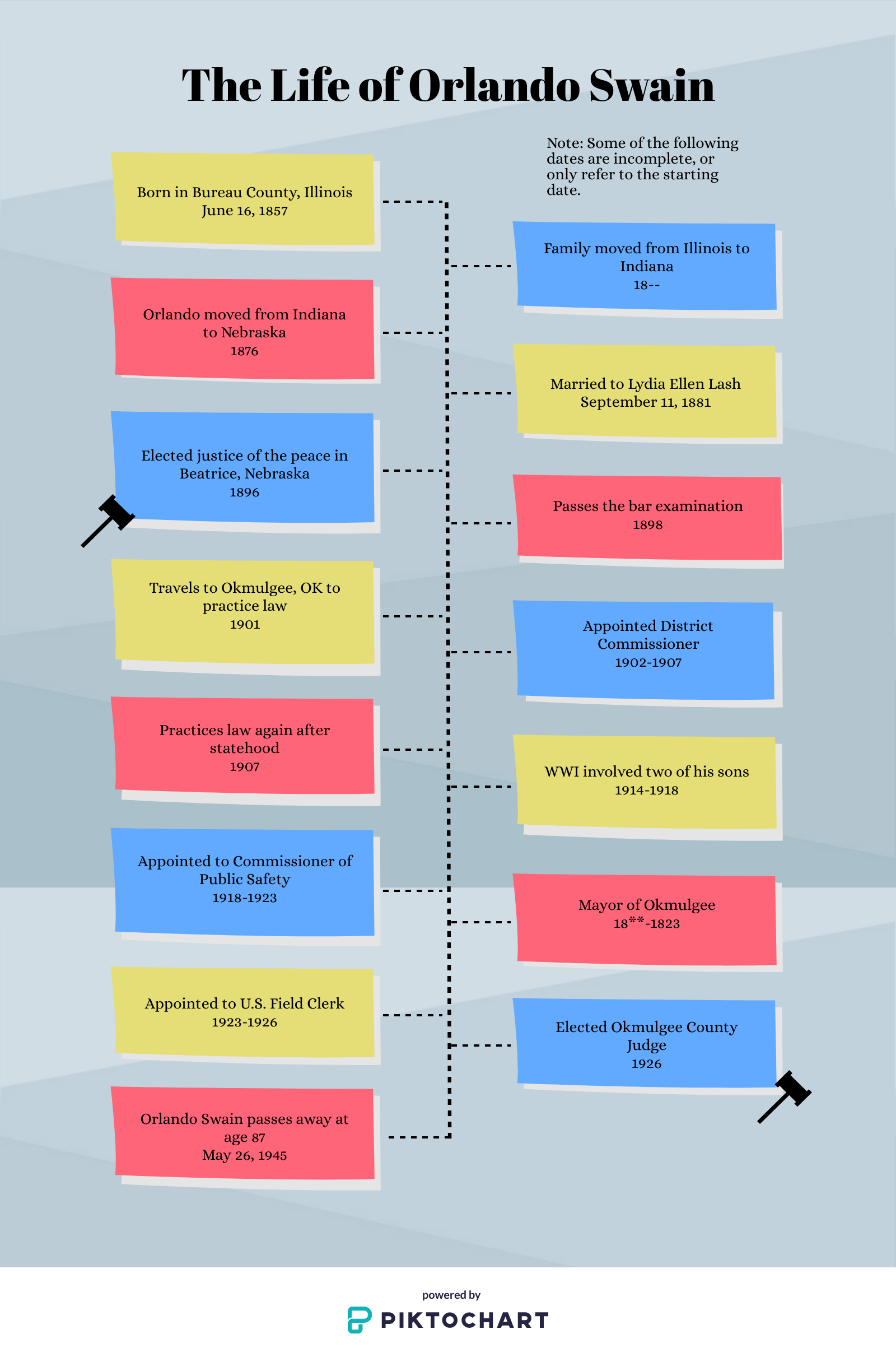
The memoirs contain some of the following: an intimate glimpse at a family’s stress over loved ones overseas during World War 1, Orlando Swain’s insights into the Native American’s plight, his pride upon seeing the statue the Pioneer Woman, and national popularity campaigns for Okmulgee. The previous details and noteworthy subjects are great, but why is Orlando Swain’s memoirs to his family included in the OSU archive? Does he have an affiliation with OSU? It is difficult to tell. He has a long list of accomplishments and was in Oklahoma government before statehood, but the precise reason for the inclusion of him, and specifically his memoirs, in the OSU archives is unclear. There are some significant difficulties when interacting with this archive. Orlando Swain’s storytelling is very difficult to follow. Friends and family are often mentioned with little to no context given. He also jumps thought to thought within the same paragraph, making the train of thought sporadic at times. The grammar and punctuation have frequent errors, which can be distracting. To aid in the understanding of the memoir, a timeline has been made of Orlando’s life. Most dates were found in the memoir, but some were discovered in further research.
Glass House Oral History Project
In 1958 the first multi directional rest stop restaurant was born over the Will Rogers Turnpike. Before it became the world’s largest McDonalds in 1988, the rest stop called The Glass House stood as a beacon of class, customer service, and community in Vinita, Oklahoma. The Glass house Oral History Project stores the interviews of the people impacted by their time working in the building.
The Glass House was the first rest stop to be built over a public highway accessible from either end. The building featured a cafeteria, a high end dining room called The Broiler Room, and an in house bakery. Additionally, the rest stop featured twin full service gas stations on both sides of the turnpike. This Oral History Project records the interviews of the staff members impacted by the work and community within the stop. From making fresh mile high lemon pies, to working in a time of integration, and to working in a dry county, the employees at the Glass House experienced a workplace unlike any other.The Glass House digital archive contains a gateway to the previous lives of the workers at the rest stop.. The interviews and stories found within the collection can most easily be defined by the working positions of the staff. From those that worked at the gas stations, stories about Christmas truckers, Volkswagen gas tanks, and the fully serviced staff on hand can be heard. Inside the building is a very different story. For those that worked inside the stop, the interviews recount memories of trying to avoid cooking eggs, baking fresh in house sweet rolls, serving the Mr.Clean man, and overcoming struggles in a time of great civil uncertainty. Due to the close friendships of the employees, the staff and management at The Glass House had an almost familial bond and sense of unification. The Glass House Oral history project highlights the wondrous coming of age stories of its attendees and the many life lessons they learned along their time over Will Rogers Turnpike.
Dr. Bill F. & Jean Kelso Collection of Ancient Coins
The coins in this collection were generously donated to Oklahoma State University by alumni Dr. Bill F. Kelso. Dr. Kelso graduated from Oklahoma A&M in 1957 with a degree in dairy science.

Collecting archeological trinkets has long been a hobby for Dr. Kelso. As a boy, he would collect arrowheads from his family’s farmland. While working as a dairy consultant in Tunisia, Dr. Kelso began collecting coins. Many of the 129 coins in this collection are from Tunisia, although there are some found in other parts of the Mediterranean basin.
This collection spans from roughly 400 BC to 1950 AD. Most of the coins originate from Rome. One of the oldest coins shows 2 olympic wrestlers on its obverse “heads” side, and a greek slinger on the reverse “tails” side. The newest coin depicts Muhammed VIII, the last Bey of Tunis, and the only King of Tunisia. Many of the Roman coins feature images of famous Emperors such as Nero, Caligula, Hadrian, and Constantine the Great. One of the claims to fame of this collection is that every significant Roman Emperor from 27 BC to 395 AD is represented on these coins, beginning with Augustus Tiberius, the grandson of Caesar, and ending with Theodosius I, who split the Roman Empire into halves for his sons.
Religion is a defining trait of these coins. Roman coins often have gods like Victoria, the goddess of victory, or Vesta, the goddess of the home and family on them. The Abrahamic God is infrequently depicted, even by Christian Emperors and Islamic empires. Coins like these tell us a lot about the cultures they come from. While the obverse sides are often people, the reverse sides are frequently things they found important – notably religion, but also animals, soldiers, or farmers.
The Kenton Collection
Boasting the highest point in the state, Kenton is a small farm town in the panhandle of Oklahoma with a large history. Through decades of cave exploration in the area dating back to the 1920’s, artifacts and cave markings have been discovered that suggest a Native American presence in the area millenia before the town’s founding in 1893. Generously shared with Oklahoma State University and housed in the college’s archives, the Kenton Collection contains hundreds of images of these ancient findings as well as of the town’s history. The story of Kenton can be seen through the various images of its community and constructions. The photographs of the vast Cimarron Valley and the towering Black Mesa complete the viewer’s immersion into the rural experience of Kenton.
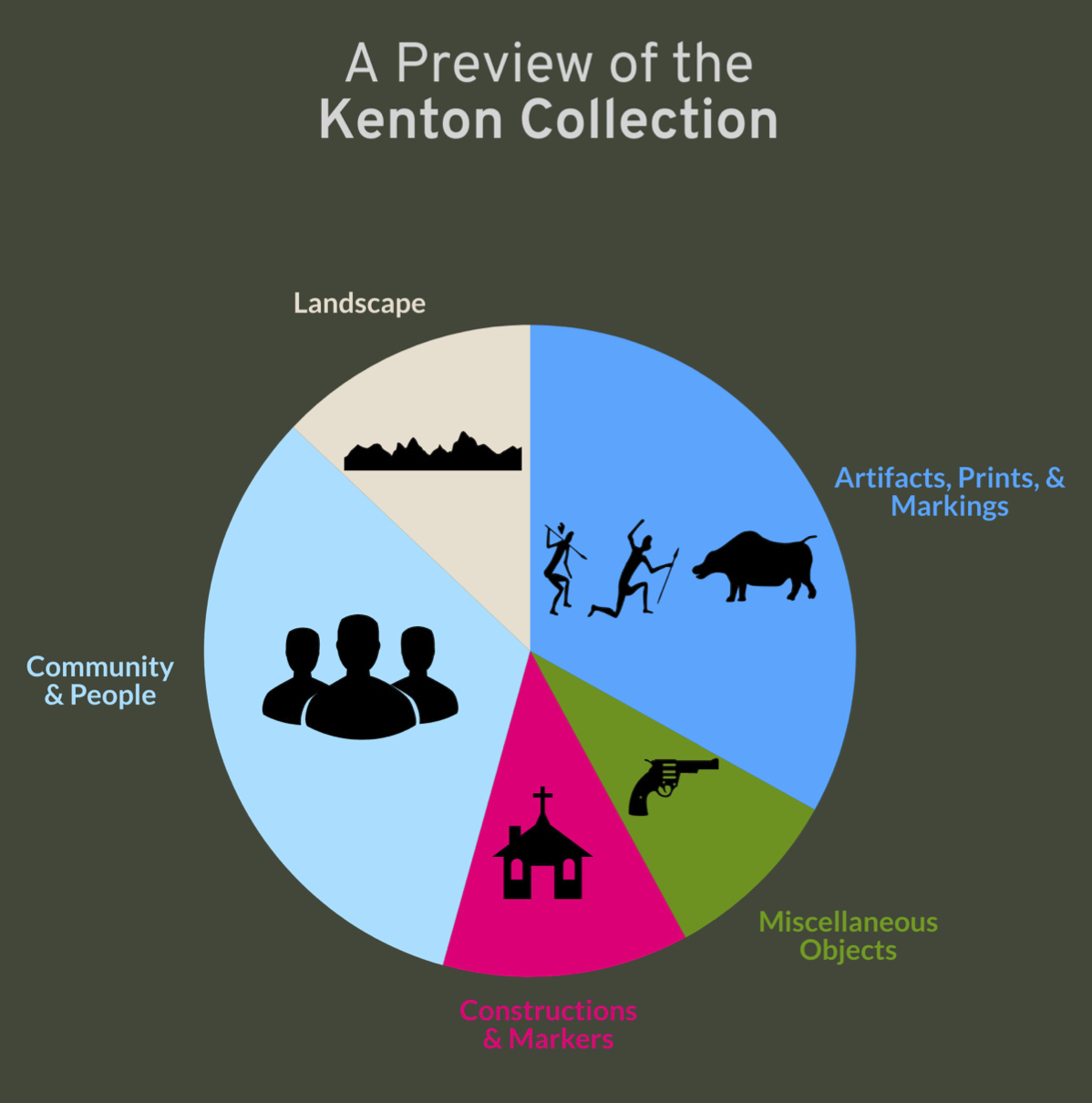
The most notable and frequent character of the collection is Truman Tucker, a local farmer who dedicated his life to the artifacts, tracks, and cave drawings surrounding the town. However, many of the pictures of Tucker are with items and marks that can be found independently documented in the collection. This is one of the few notable issues with the Kenton Collection as it is currently presented. There are a number of images that are either near-duplicates or different viewpoints of the same object. In addition, the website that houses the archives can be tricky to navigate due to its outdated design and navigation controls, and many photos of other significant people and ancient discoveries go without any sort of description. The Kenton Collection is an overall engaging glimpse into history, but external research is almost a necessity for anyone more than a casual viewer.
Married for Life Oral History Project
The Oklahoma Married for Life Oral History Project is a collection of interviews that exhibits how couples had to endure not only regular marital hardships, but also the ever changing world around them. These interviews were conducted from 2016 and 2018. All the participants discuss their life between 1930-1945 and how they were directly affected by the Dust Bowl and World War II, both very significant events for the time period. All the couples featured in the forty-five interviews attended and met at Oklahoma A&M College, now Oklahoma State University. One thing to note when exploring this archive, is the difference in social norms, and most importantly diversity, between back then and now. All couples in the project married as teenagers in college and all come from small, caucasian Oklahoma communities. They recall memories of war, rural farming, drought seasons, and courtship.

Although the significance of the archive may be hard to determine, it shows how loyalty and faith are directly related to longevity and unity. As mentioned in the title “Married for Life”, these OSU Alumni show their devotion to one another. Considering they were transitioning to adulthood and trying to find love while the world around them felt as if it was crumbling, shows true commitment and inspires a lot of admiration. As students, the couples learned how to cope with the drought and low crop yields as well as the ongoing war between the Axis and Allied powers. By interviewing these people and uncovering their stories, Oklahoma State had hopes to show whoever gains access to this archive how true and patriotic (a word that you will hear a lot when listening) the community here really is. And if that message isn’t received, it at least gives those without a promising love life the hope they deserve.
Paul Miller Collection
“Our actions must be determined not by mere compliance with state or federal law, not by public attitudes, but on the basis of doing the right thing”- Paul Miller.

Born in Diamond, Missouri in 1906, Paul Miller’s journalism career began after his family moved to Oklahoma, as a high school reporter and editor at the Pawhuska Daily Journal. As a student at Oklahoma A&M, Miller worked for the Daily Oklahoman, as well as publishing for the Okhema Daily Leader. Due to his noticeable journalism skills, the Associated Press took interest in Miller and hired him in 1932.
The journalist continued his rise to the reporting limelight as he continued to rise through the ranks of the AP bureaus until he obtained the title of chief of the Washington branch, where he spearheaded political coverage for about five years. Frank Gannett, a strong right-wing republican, noticed Miller’s political aptitude in the journalism world and heavily recruited him to become the next president of his company. After ten years, Gannett’s dream became reality as Miller was elected president of his company and under the newfound leader’s direction, Gannett Co. expanded greatly and inserted itself in public life with its unique ability to report on distant events, thanks to shortwave radio sets. Throughout his time as president for both the Associated Press and Gannett Co., Paul Miller sought out stories worldwide, not only politically but socially and culturally as well. His imprint on the journalism world was wide-reaching, and thanks to values instilled in him during childhood, Miller always conveyed to others the importance of the press, but equally the importance of integrity within it.
The Paul Miller collection housed in the OSU Digital Archives mainly consists of articles both written and published by Paul Miller. Nearly all of Miller’s physical manuscripts are also still housed in the OSU Library, making it one of only a few digital collections that have a material aspect. These digital and physical reports serve as a testament to Miller’s ability to connect with his audience, but also his ability to portray events from a bipartisan perspective.
Oklahoma A&M College World War I Veterans Collection
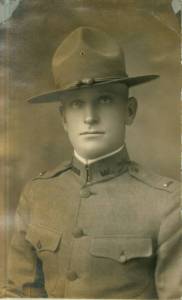
World War I was a strange time for our country. Every capable man and woman were joining the military to go overseas and join the battle. This digital collection dives into how many students and alumni from OAMC joined the military. A survey was sent out to all 1,441 veterans, 1,109 alumni and 332 current students at the time of the war, and over 500 were returned. Unfortunately, of the 1,441 people to go to war, 28 of them died in battle. Although death is a part of war, it is still tragic to see anybody pass away. The survey that was sent contained questions such as, where were you deployed, when were you deployed, what was your rank, and did you receive any awards for acts in battle. This archive not only included surveys from the soldiers themselves, but also included some newspaper articles that were about people from OAMC.
For example, there were articles about a division comprised of people from OAMC who fought and won a hard battle, a deadly weapon created for the war where the “most terrible weapon ever forged by man” was created for the United States, and a clipping of an article called “Oklahoma Agriculture and Mechanical College Has More Than 900 Men in Service”. This archive is pretty easy to navigate but the beginning is a bit confusing. The first page and a half is mainly just photos of men who either didn’t return their survey or it is photos of the men who died but it is not clearly labeled who these men are so it is hard to tell. Additionally, there are a couple of newspaper clippings just thrown in between some of the photos. The surveys don’t start until towards the bottom of page 2 but they are listed in alphabetical order based off their last name which makes it easy to navigate through all of the different surveys.
Oklahoma Immigrant Women Artists
Art is a developing creature that benefits from viewers and creators alike. The experiences of an artist will always heavily impact the art that is created and to have a better understanding of this the oral history project archive about Oklahoma’s Immigrant Women Artists can give a diverse insight of differentiating stories impacting art and how one views art.
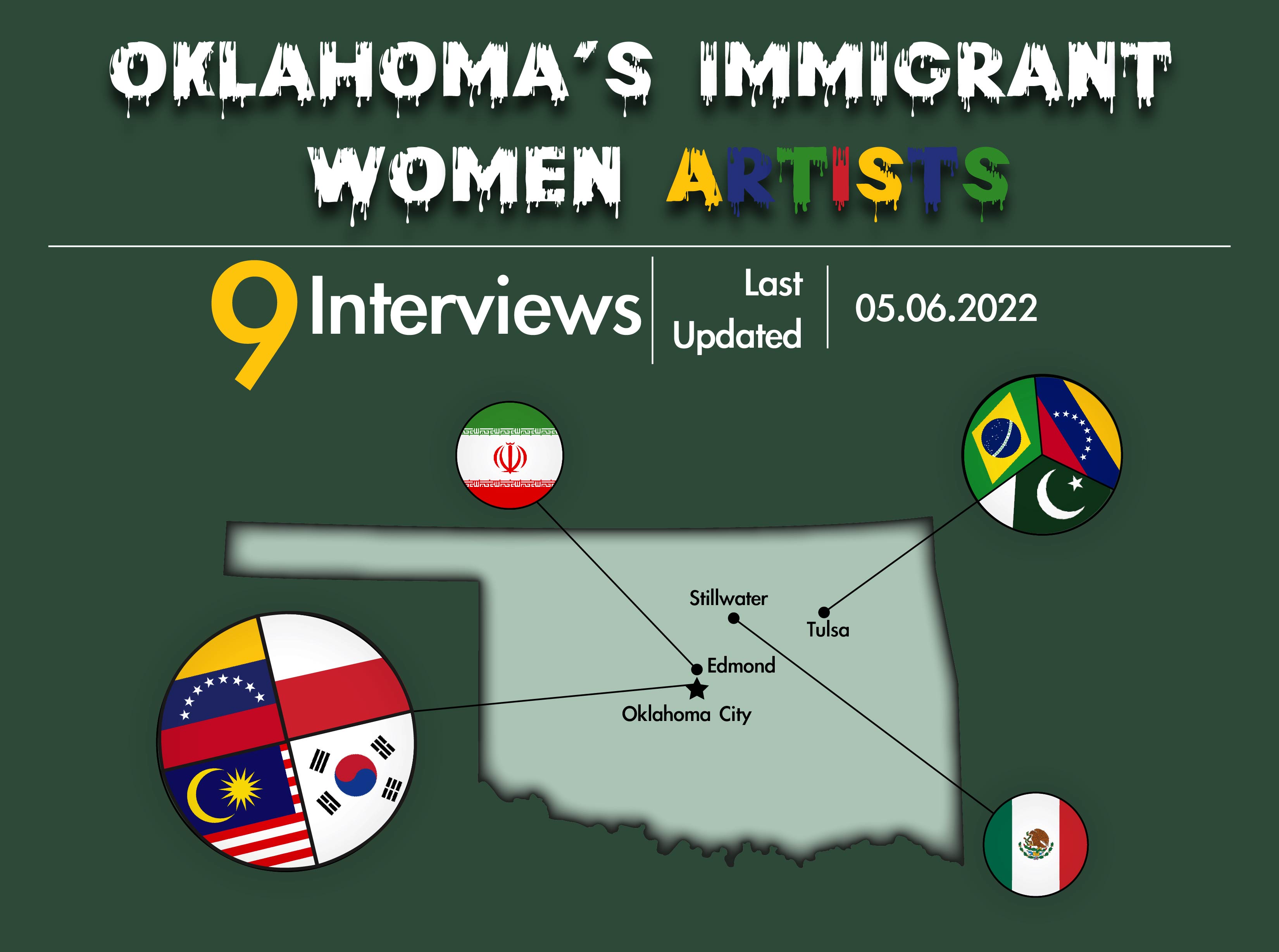
A total of 9 zoom interviews ranged from 35 minutes to a little over an hour. The dates of these interviews started from February 18 2020 to May 6 2021 which was during the COVID-19 global pandemic. The women interviewed are a diverse group with each coming from a different country and specializing in different art mediums such as photography, ceramics, sculpture, dancing, painting, visual arts, graphic design, screen printing, and interior design. The majority of the interviews consist of discussing where they were born and grew up, if art was an influence at a young age, their education, and their experience with art; the experience that overall affects their art being their parent’s influence, the culture, and their experience as women.
An example of the information discussed in these interviews is Angelika Sowka, a mutli-media artist with a specialization in printmaking; in the interview they discuss her artistic endeavors, how she was lead into the path of becoming an artist by her childhood surroundings and how she ended up in Oklahoma specifically. In addition to the 9 interviews, there is 1 with the director of Oklahoma’s Art Council specializing in intercultural communication where he discusses how the cultural challenges the women in this series likely had to experience. The interviewees range from different types of artists from all over the world who all ended up in Oklahoma one way or another. From practicing art because of family traditions to later finding love for the craft once they had the ability to pursue their own education. How a person is raised will always have an impact on the outcome of their nature and in the case of these 9 women their art is influenced by their want to display their culture and their experiences as women.
An example of the information discussed in these interviews is Angelika Sowka, a mutli-media artist with a specialization in printmaking; in the interview they discuss her artistic endeavors, how she was lead into the path of becoming an artist by her childhood surroundings and how she ended up in Oklahoma specifically. In addition to the 9 interviews, there is 1 with the director of Oklahoma’s Art Council specializing in intercultural communication where he discusses how the cultural challenges the women in this series likely had to experience. The interviewees range from different types of artists from all over the world who all ended up in Oklahoma one way or another. From practicing art because of family traditions to later finding love for the craft once they had the ability to pursue their own education. How a person is raised will always have an impact on the outcome of their nature and in the case of these 9 women their art is influenced by their want to display their culture and their experiences as women.
Oklahoma Inventors Database
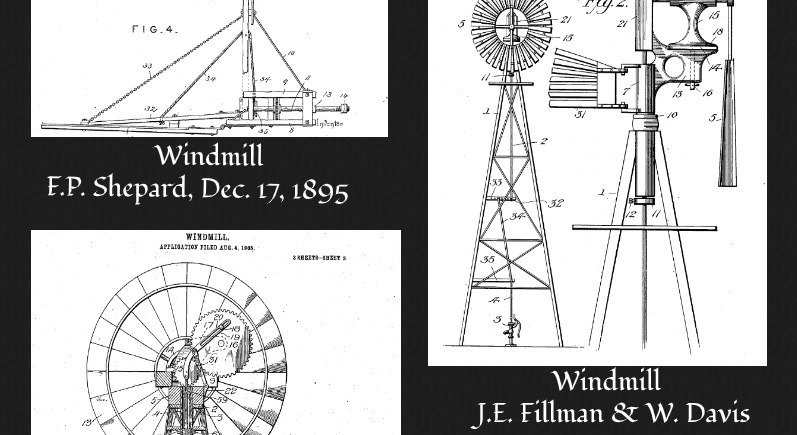
The Oklahoma Inventors Archive is a collection of designs and patents by inventors that resided in the Indian and Oklahoma Territory. The patents are from 1880 to 1907 from around a hundred different inventors. The main purpose of the archive was for the inventor’s designed to be published by the United State patient office. From this time period there are 1,358 designs that were patented from the Indian and Oklahoma Territory. The patents are from 58 out of the 77 counties in Oklahoma. The data visual below shows around how many patents were from each county. This shows where most of the inventors lived in Oklahoma.
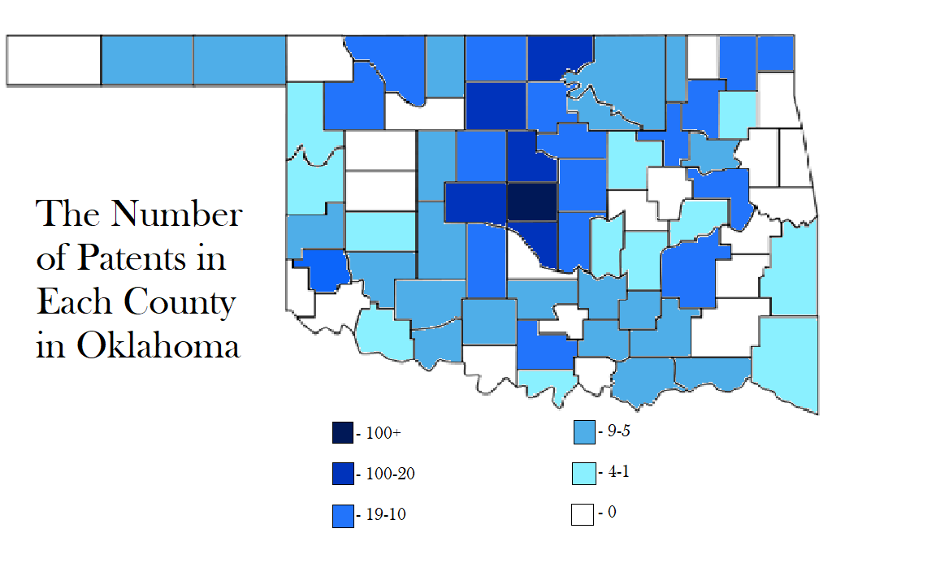
This archive shows what was innovative from 1880-1910. This includes a flying machine to even a washing machine, which were all presented to get patented. The Oklahoma Inventors archive also shows designs that could be used today. They are simple things like a bottle to a stirrup to a ladder.
The database is easy enough to navigate with various filters and ordering options, but offers little information outside what is shown in the documents themselves. In opposition to that there is the United States Patent and Trademark Office (USPTO) website that offers much more information and background for these. It is harder to navigate as well as being riddled with typos, but its functions work for patents inside as well as outside the collection.
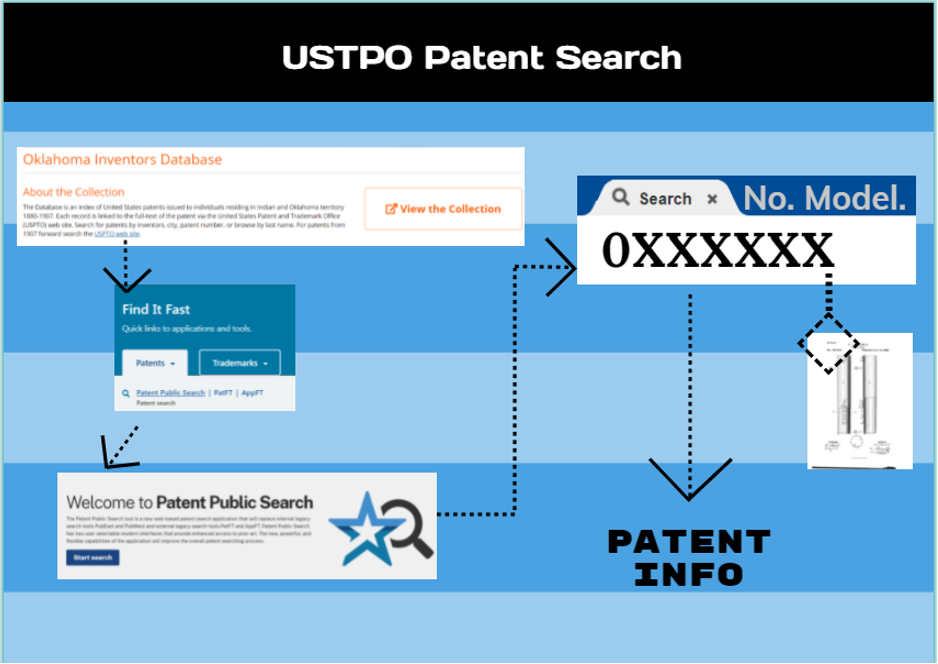
Searching for patents can prove difficult as searches often give many unrelated results. Searching by the patent number (or model no.) that can be found on the upper corner of a patent often gives closer results, with the downside that one needs to pay attention to the number of digits to get an accurate search. If you are willing to go through the trouble, it gives much more context to each patent in the words of the inventors themselves. Including more details of the purpose and use of the invention being patented. Using the database together with the USPTO site offers much more insight to the inventions in Oklahoma as it transitioned from territory to state.
Oklahoma Native Artists Oral History Project
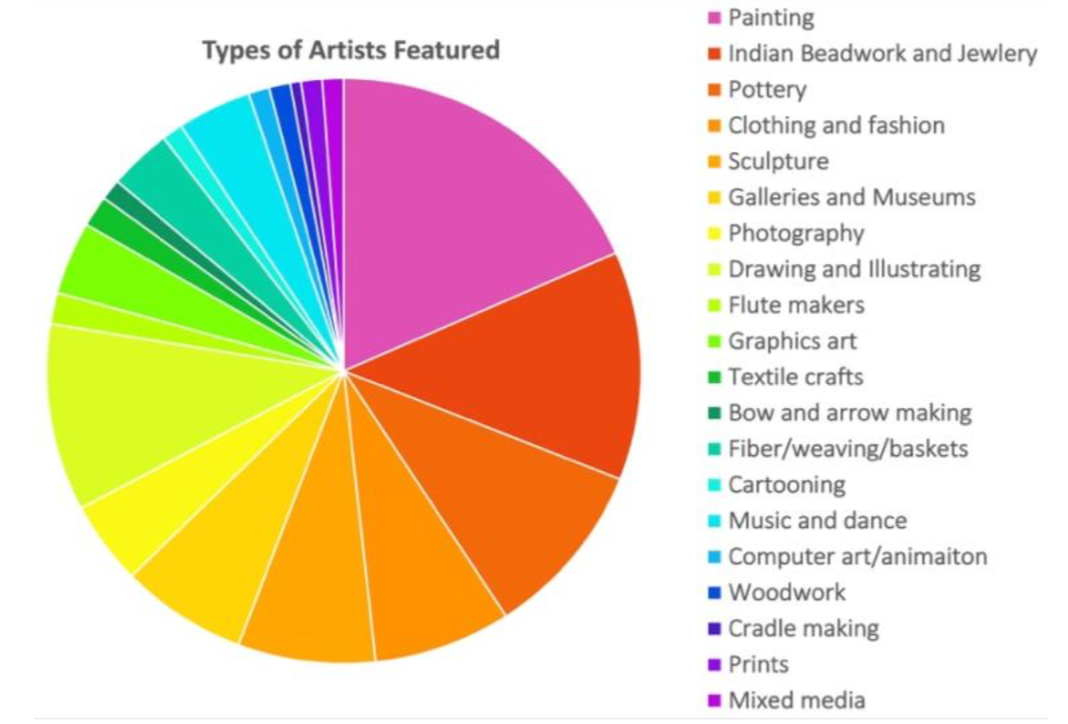
The Oklahoma Native Artists Oral History Project is home to a collection of 134 interviews involving Native Americans with rich native heritage as well as people who grew up associated with Natives and experienced the beautiful cultures firsthand. The interview pages are helpful and easy to access with each one giving a brief overview of the major points discussed in each interview, a description of the person who was interviewed and what art they practice, and a video of the full interview with a transcript.
The collection was started with the intent to raise awareness about the importance of native art as well as the challenges that many native artists face politically and economically. Each interview involves the interviewee describing where they came from and their story regarding Native American history, their experiences with Native culture, what art form they practice or which one they are drawn to, and their thoughts on issues that native artists face. Every person interviewed has a unique story and artistic talent that they either practiced from a young age or went to school to learn. The wide range of art discussed in the interviews also includes things that many might not consider as an art form whether it be native dances, ceramics, or bow and arrow making.
This collection of interviews is also both historical and relevant to present day because the interviews span from as early as 2010 to November 2021 and features a variety of age groups. Also, according to the project description the project is still ongoing so there is something for everyone and much more to look forward to in the future. The interview pages include links to artists’ shows and special events as well if available, which is a wonderful finishing touch that continues to help many of the artists featured in the collection to this day and gives people a chance to see the incredible art firsthand if they choose.
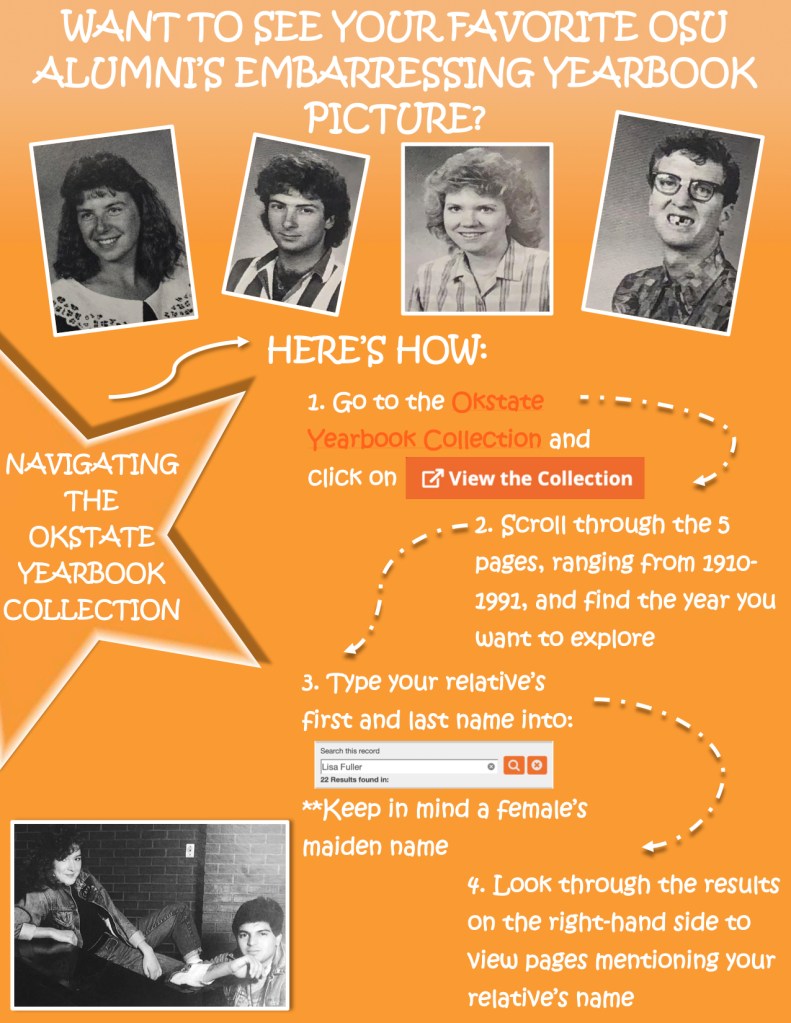
The OKState Yearbook Collection
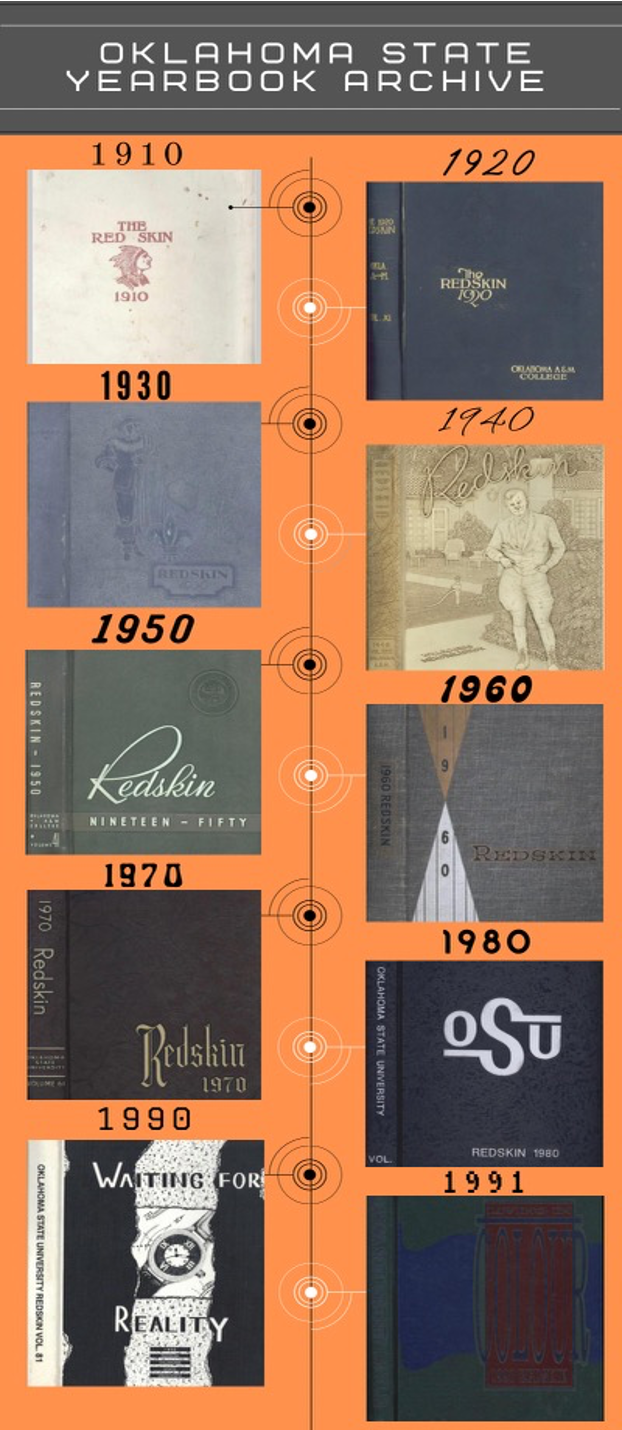
Oklahoma State University Cowboys, previously known as Oklahoma Agricultural and Mechanical College (Oklahoma A&M) made University yearbooks known as, the now controversial, “The Red Skin” from the year 1910 to 1991. Almost a full decade of yearbooks came to an end as the college grew physically and in student population size. Students had less time and less interest in helping on yearbook staff, taking pictures, or even buying a hard copy flashback of their year. These yearbooks played as time capsules for now students and alumni to look back on the memories and history in the Oklahoma State Yearbook Archive. Each yearbook has been scanned and put onto the website for Oklahoma State’s Digital Collection by the library to preserve them in a digital option.
Now there is more than just the option to visit the physical archive of the yearbooks in the library. With this website, you don’t only have the option of looking through the past of Oklahoma State page by page, but even being able to search names, topics, page number, etc. By having this search bar available on the online archive, you can search keywords to learn more about Oklahoma State’s history. This Archive can also show students considering Oklahoma State what to expect when you come to OSU by searching about student life, clubs, Greek life and more. 500 working hours were put into the digitization of the yearbook archive and can now be available for the rest of time for reminiscence, research, and entertainment.
Edna Mae Phelps Political Collection
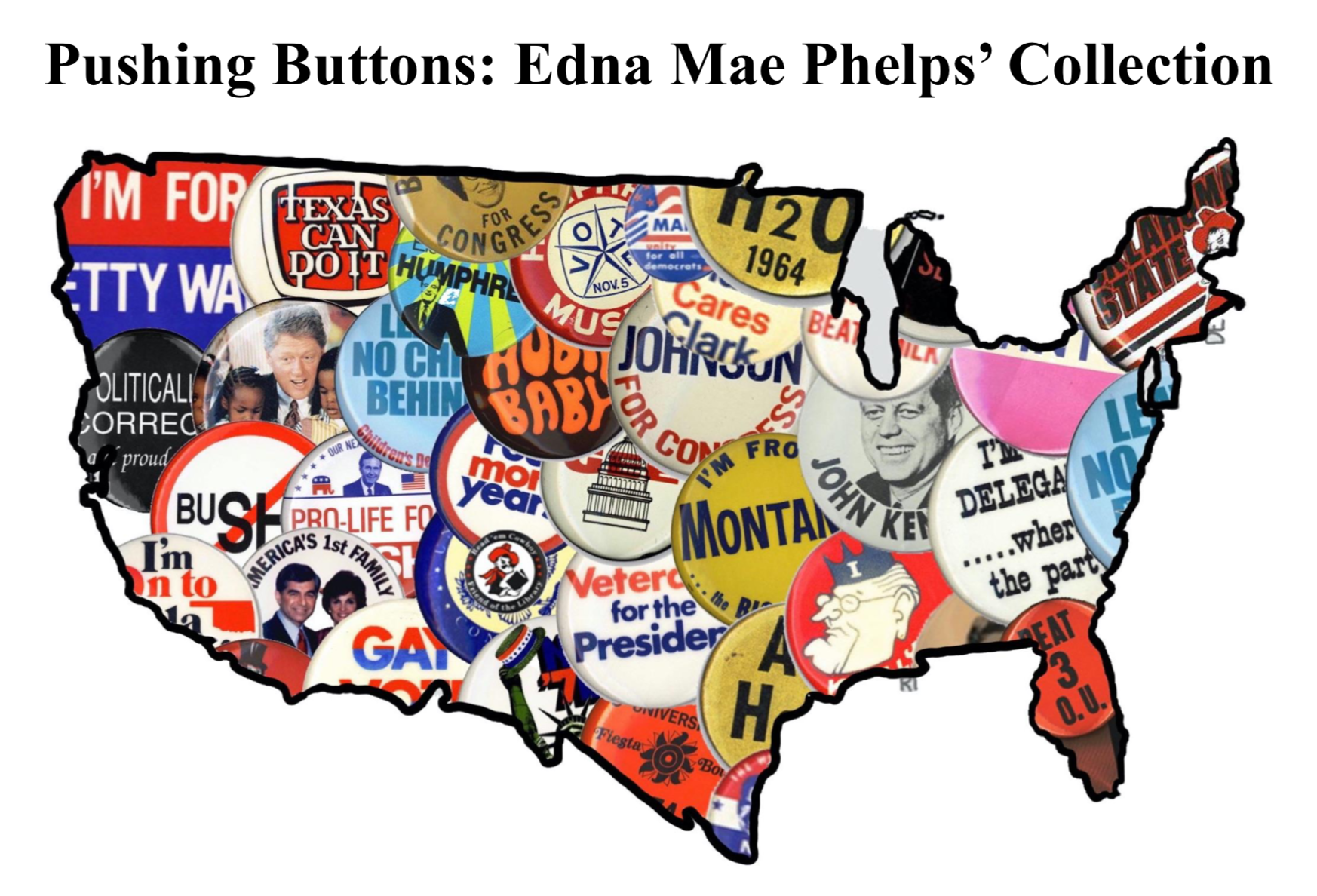
Edna Mae Phelps was the ideal citizen of the US. She not only represented and conducted her civic duties to the utmost respect during her lifetime, but also collected political buttons from elections in between John F. Kennedy to George W. Bush. She was a dedicated democrat and attended every Democratic National Convention from 1968 to 2000.
Phelps was an OSU alumnus and collected over 4,300 political buttons from all parties throughout the duration of her life. Despite being a democrat, Edna’s collection of buttons is nonpartisan, and you can actually see history played out through her buttons. Richard Nixon is a perfect example. Edna’s collection contains campaign buttons from Republican President Richard Nixon’s first election and re-election, but also includes anti-Nixon buttons, especially those pertaining to Watergate. She supported causes such as: the Equal Rights Amendment and John Glenn’s National Policy Council, which you can see throughout her collection.
After raising her two sons Ronald and Mark; Edna dedicated her life towards her family, church, and politics. Beginning in 1968, Edna was the President of the Seminole County Democrat Women’s Club and also continued as President of Oklahoma Federation of Democrat’s Women’s Clubs. Through her time and dedication to these organizations she managed to boost membership and fundraising. She often created buttons for these organizations, and her collection contains numerous Oklahoma State Buttons! Continuing in her political influence Edna Mae Phelps was elected for three consecutive terms as a member of the Democratic National Committee.
This remarkable woman also dedicated much of her time to Oklahoma State University, her alma mater. She served on the Oklahoma State University Board of Regents for five year in the 1980s and also helped establish the Friends of the OSU library. Through Mrs. Phelps button collection we can see the emotion and satire through the media of buttons that was politically impacting for multiple parties, campaigns, and elections for decades.
Pistol Pete Interview Series
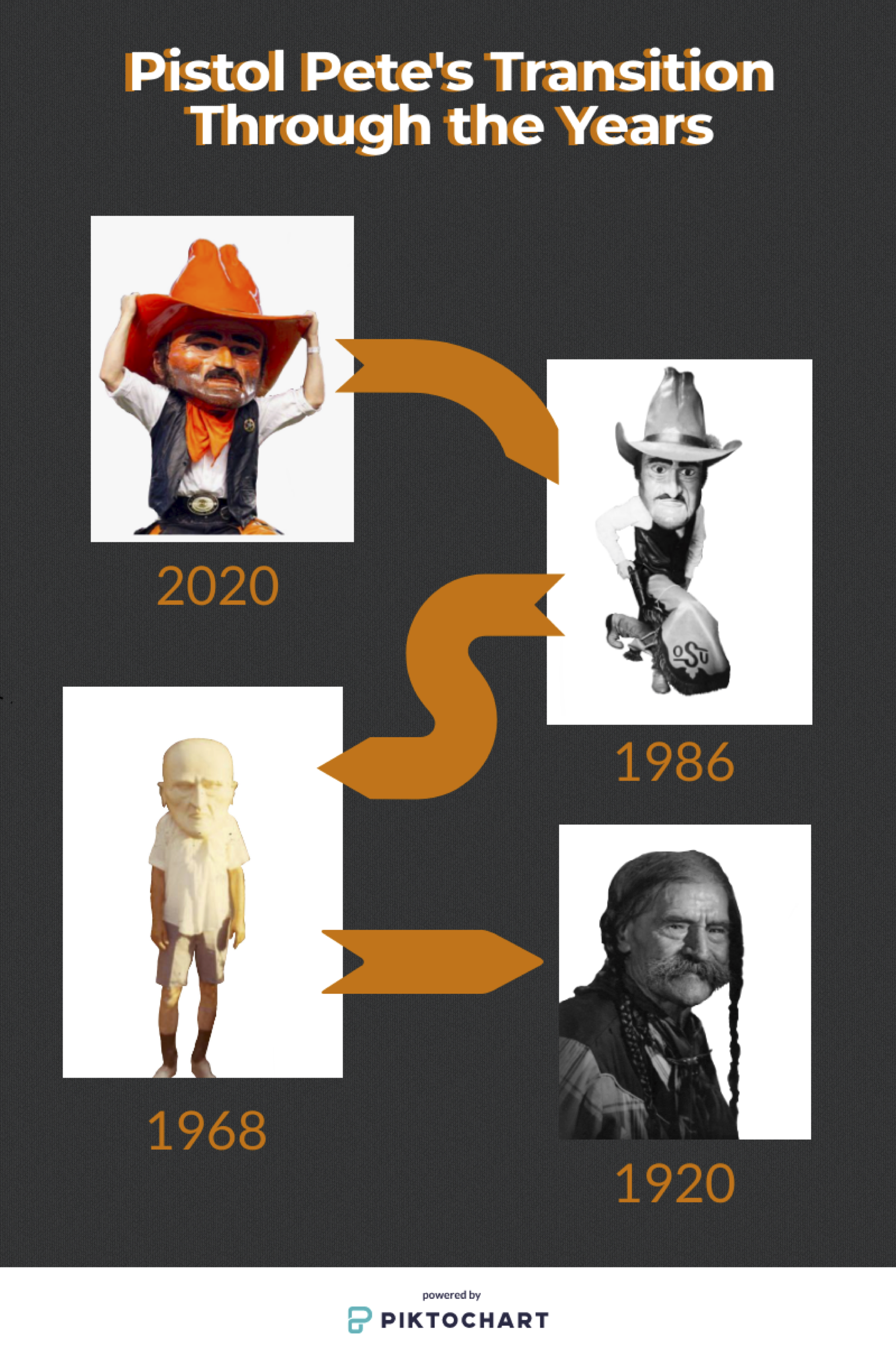
“Who is the man behind the mask?” The answer to this question is quite accessible upon examination of this archive. The man responsible for the inspiration of Pistol Pete was a fellow named Frank Eaton. Early on in Frank’s childhood, he was a witness to his father’s unfortunate and tragic murder. In an attempt to right these wrongs, he pursued a career as a Deputy US Marshall as well as provide safety for the residents of Perkins, Oklahoma by taking the position of sheriff. He quickly became what some would refer to as an icon at OAMC (Oklahoma and Mechanical College) and began to develop into the face of the college. Within this archive, there are many memorabilia, pictures, and historical documents that seek to capture all of the rich history from the man behind the mask and his adoption as the new mascot. Displaying many pictures and impressions of the Pistol Petes through the years, you can expect to observe the changes and adjustments that have been made to Pistol Pete. In addition to these modifications, one could also expect to view portraits with past students who played the role of Pete as well as many Frank Eaton portraits and profiles. To go along with all of the other resources, this archive also features copious amounts of interviews of adults who had taken the role as Pistol Pete during their college years. These interviews consist of a series of Q&A’s where the preceding Petes recount their experiences of being the mascot and what infatuated them with the Frank Eaton inspired mascot in the first place.
Wilma Elizabeth McDaniel: Poet and Oklahoma Dust Bowl Emigrant
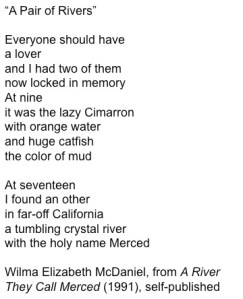
Wilma Elizabeth McDaniel, dubbed “The Okie Poet” was born December 22nd, 1918, in Lincoln Country, Oklahoma. She was 4th of eight children and spent her childhood years in Oklahoma, during the time of the Dust Bowl and the Great Depression. When she was 17 her family moved to California in hopes to find work, as times were hard for her sharecropper father and their family. Even though she enjoyed her new life in California, part of her heart remained in Oklahoma, as we can see in her loving descriptions in her poems. McDaniel began writing from an early age and kept her writing to herself. When she was in her 50s, she took some of her work to Tom Hennison, editor of the Tultare Advance Register newspaper. In a brief interview which is included in the archive, she relays this experience in her own poetic way. She says that she took Hennison a shoebox full of unpublished poems and presented them with “great fear and trembling.” He enjoyed her work, so much so that he went on to publish her work weekly.
McDaniel went on to create 49 chapter books of poetry and stories that tell of her emigration during the Great Depression. Not only do her stories tell of the many challenges her family endured, but they form a connection with readers that have struggled with fitting in. She knew what it felt like to be an outsider, and these experiences shaped her personality. The archive consists of 31 oral history interviews with various people who knew her. They say that Wilma was a very inclusive person, who accepted the diversity and cultures of people during a time when it was not encouraged as it is now. After her death in 2007, the Oklahoma State University Library created the oral history project in hopes of preserving her legacy. This project led to collaborations with other libraries, archives, and other agencies working to gather and preserve materials relating to McDaniel’s life and work, primarily the Wilma Elizabeth McDaniel collections at the Stroud Public Library and the Lincoln County Museum of Pioneer History. Unfortunately, the archive does not contain many examples of her work other than her poem “A Pair of Rivers” which tells of her love for both California and Oklahoma. Other than that one poem, the only other mention of the poems themselves is in a couple of “guides” to collections of her work in the Stroud Public Library and the Lincoln County Historical Society.
David Pendleton Oakerhater Collection
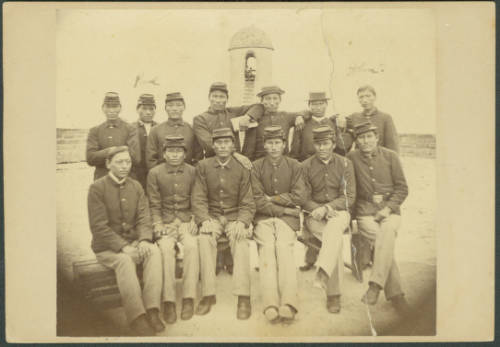
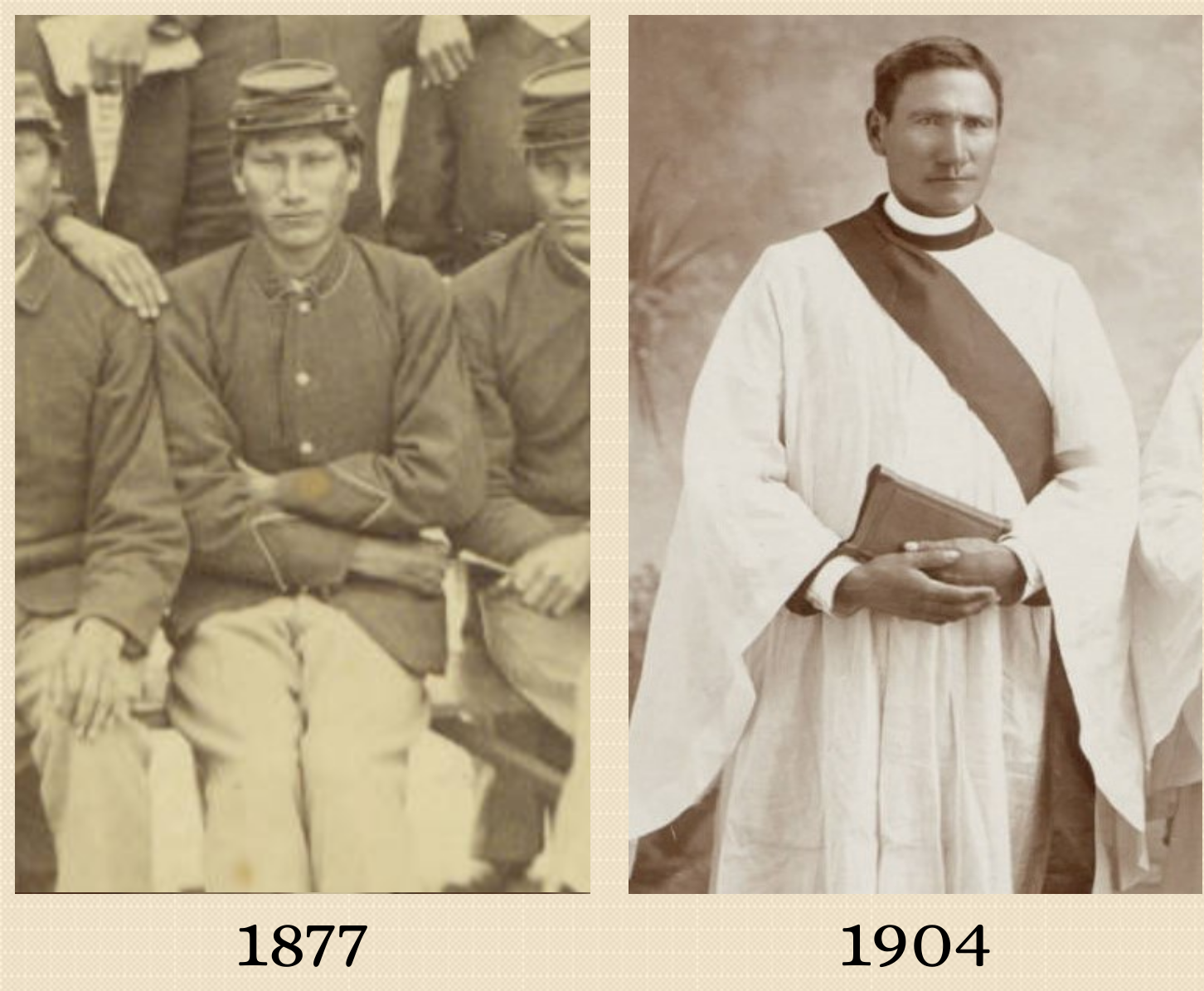
The attempted assimilation of American Indians by the U.S. government caused sweeping changes in the lives of Natives across the country. The life of David Pendleton Oakerhater, the subject of this archive, is a prime example of these changes. Imprisoned by the U.S. military as a Cheyenne warrior in 1875, he returned to his people six years later as an Episcopal Deacon. During his imprisonment at Fort Marion he was forced to become educated in the ways of the white American people, including the reading and writing of the English language. The education of the captured Natives was overseen by Richard Henry Pratt, a proponent of Indian assimilation. While progressive for the time, his belief in assimilating Native Americans into the culture of White Americans involved the absolute destruction of their own cultures. The Natives at Fort Marion were also introduced to the Christian religion, to which Oakerhater soon converted. Christianity became of great importance to Oakerhater, and his work in the Episcopal Church proves that, as he would eventually head a mission school for the Cheyenne and Arapaho. Contained within this archive are first-hand accounts of the era of assimilation as seen through letters written by Oakerhater, Pratt, and Mary Burnham, a sponsor of Oakerhater. Photographs of these figures as well as of others who were in contact with them grant faces to the stories. An essay on the Assimilation Era written by Dr. C. Blue Clark and a biography on Oakerhater by K.B. Kueteman are also included, helping to give the reader a background for the other information in the archive.
Secrets of the Century
December 1941, just days after the bombing of Pearl Harbour, Oklahoma A&M College was set to have a weekend-long celebration commemorating its 50th anniversary. In an effort to capture the progress of the university, then president, Henry G. Bennett, asked attendees of the celebration to write notes on index cards to be put into a time capsule. The guests composed over 500 notes to be locked away until the university’s 100th anniversary in December of 1991. The capsule was plastered into the wall of the Edmon Low Library, requiring a large amount of manpower to reopen it 50 years later.
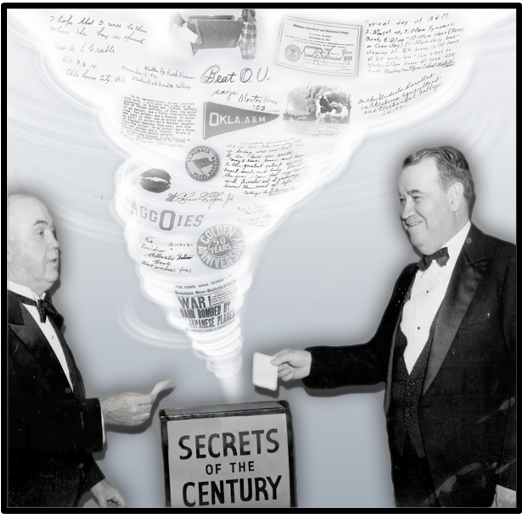
Truthfully, the “Secrets of the Century” archive isn’t as juicy as it sounds. It is however, particularly interesting to read what the early people of Stillwater had to say about the problems they were facing during that time period. The impending reality of yet another war was mentioned in many of their letters, but there was an encouraging sense of hope within their writing. Many of the notes had strong Christian undertones, which is relatively characteristic of the Stillwater community today. Among their hopes for the future and prayers for peace, several people wrote shout-outs to future relatives, added their names and addresses, or even their class schedules. There were a handful of notes (arguably the best ones) which read: “Beat OU!”. Almost 80 years later and we still can’t stand them!
All of the notes were scanned and transcribed shortly after the reopening, and are available through the library’s digital collection. The physical notes can be accessed in the library’s archives, along with additional memorabilia from the time capsule that is not documented in the digital collection.
Oral History and Art in Taos, New Mexico
This collection of interviews was conducted by a student of the Doel Reed Center which serves as a center for students to expand their knowledge of southwestern cultures through various subjects of study. The interviews in this collection are conversations with numerous artists that have a connection to Taos, New Mexico. Doel Reed, born in 1894, had a passion and talent for art even in his early ages. Reed became known far and wide as an artist, especially in landscapes and printmaking, and was referred to as a master of aquatint.
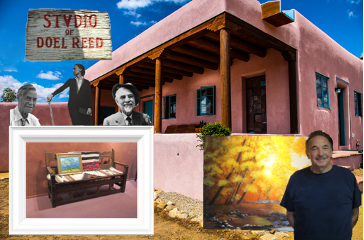
In 1924, Reed accepted a job from what was then named Oklahoma A&M College, but it is now known as Oklahoma State University. He stressed the value of drawing as a foundation for each art project. Encouraging his students to interpret nature for themselves and express their interpretation in their drawings. His knowledge and reputation in printmaking was what made Oklahoma State’s art department stand out from the others in the area. Reed’s popularity and success caused recognition of the art program here at OSU.
Upon retirement, Doel Reed continued making art in Taos, New Mexico. The Doel Reed Center in Taos was opened up in honor of him. Students are able to receive college-credit through summer classes. This expands OSU’s learning opportunities and reach for students wanting to gain a better understanding of cultures in the southwestern United States. Courses in architecture, botany, literature, history, geology, and Native American studies are offered here as well.
The artists in this interview tell of their background and why they are connected to Taos. They also share their methods of art and what they like to create. They explain what inspires their art. One artist in particular was Ourey Meyers. Ourey Meyers shared how his father had moved his family to Taos in order to paint the Indians. Meyers stated that all his life he wanted to be a jock. He had not given painting a second thought until his sister gave him his fathers old oil painting set which he then never put down. Many famous artists including Georgia O’Keeffe, Frank Waters, Ansel Adams, Joseph Sharp, were family friends because of their close friendship with Meyer’s father. Although they never gave him a painting lesson, they taught him how they thought and what inspired them. Ourey revealed the pride he takes in being a Taoseño. He describes how the people he grew up around were the ones to impact his painting as a profession the most. Meyers declared that the fine art spirit, rather than technique, was the most helpful thing he learned from the influential artists in his life.
This collection is important because it expands people’s knowledge of culture in Taos, New Mexico and neighboring communities. It inspires pride and dignity that comes from a person’s heritage. It shows how important emotions and human relationships are behind art. Through Ourey Meyer’s account, it is apparent how the people in someone’s life play a great role in one’s life.
Tulsa Race Massacre of 1921
“A picture is worth a thousand words.”This well-known expression is especially true when it comes to pieces of history collected through the lens of a camera. As one of the most poignant archives housed by Oklahoma State University, this file assembles photographic evidence of the indescribable tragedy of the Tulsa Race Massacre in 1921.
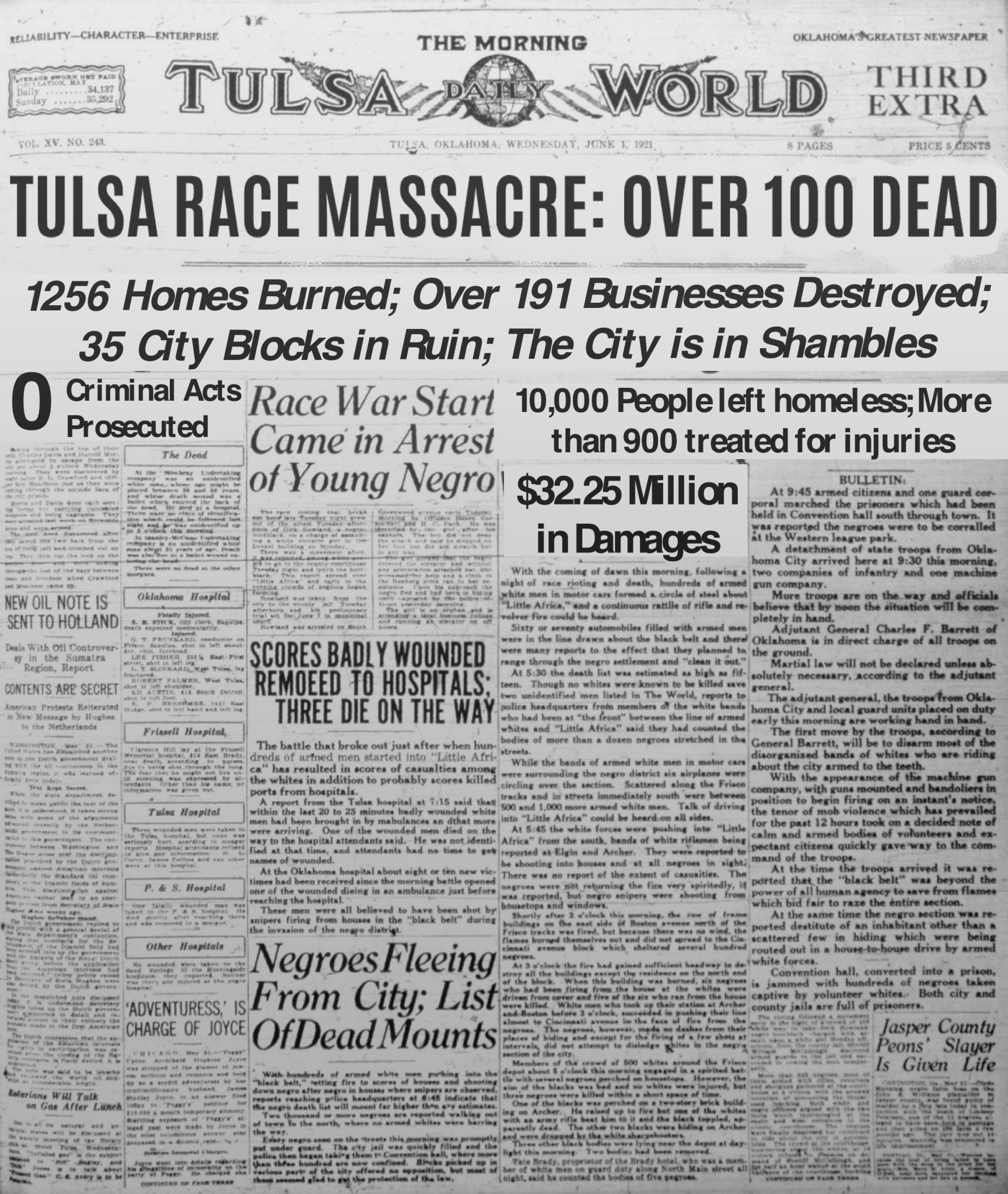
As part of the Ruth Avery Sigler collection, this archive is one of three relating the history of racial tension in Oklahoma during the 1920s. Collected here are over one hundred snapshots into the past, detailing the events of the Tulsa race massacre and the aftermath following. Among these pictures are images documenting the organization of the Greenwood district prior to the massacre and the destruction following. These photographs, along with other sources, have been used to estimate the total damage done to the infrastructure of the community. Other portions of the archive reveal the emotional toll on the citizens, showing images of people sitting in rubble from their homes, mass graves made for casualties from the massacre, and a crowd of people watch a victim burn. These photos are sensitive reminders that emotional injuries cannot be quantified and these deep wounds may still need time to heal. Other pictures highlight the injustice of the massacre, showing looters taking advantage of others’ tragedy, and black citizen held in internment as those responsible for the massacre. The black and white nature of the photographs only lends itself to the grim reality of the circumstances in which they were captured. The fact that these photographs were taken by onlooker is silent evidence of a sobering truth: all that is required for evil to triumph is for good men to do nothing.
WAVES at OAMC
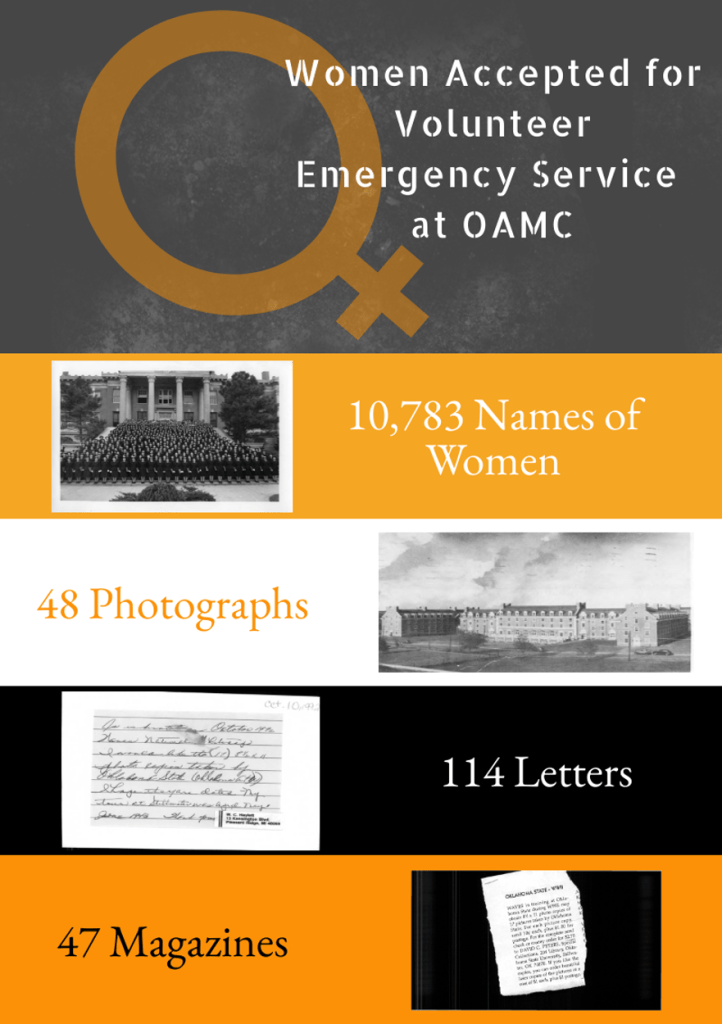
Badass women serving their country? Yep. This archive contains in an alphabetical Excel sheet all the names, places of birth, and dates reported of the women who were in the Women Accepted for Volunteer Emergency Service (WAVES). The formerly named Oklahoma A&M College produced the nation’s largest enrollment of WAVES. How many women, exactly? Just a small number of 10,783 powerful women participated. The first class in 1942 had 644 graduates, the following classes produced a maximum of 1,250 graduates. These women did daily training, including exercise at 6:00 AM then 8 hours of practice for secretarial skills. Along with basic work done at desks these women also learned how to decode messages. Women are powerful and these women showed it by helping their country in the way they could. At first, the women could only be stationed inside the U.S. but they were needed, (because they were valuable) so they were able to be stationed in Hawaii, Alaska, and the Caribbean. Nationally, over 100,000 women served as WAVES during World War II.
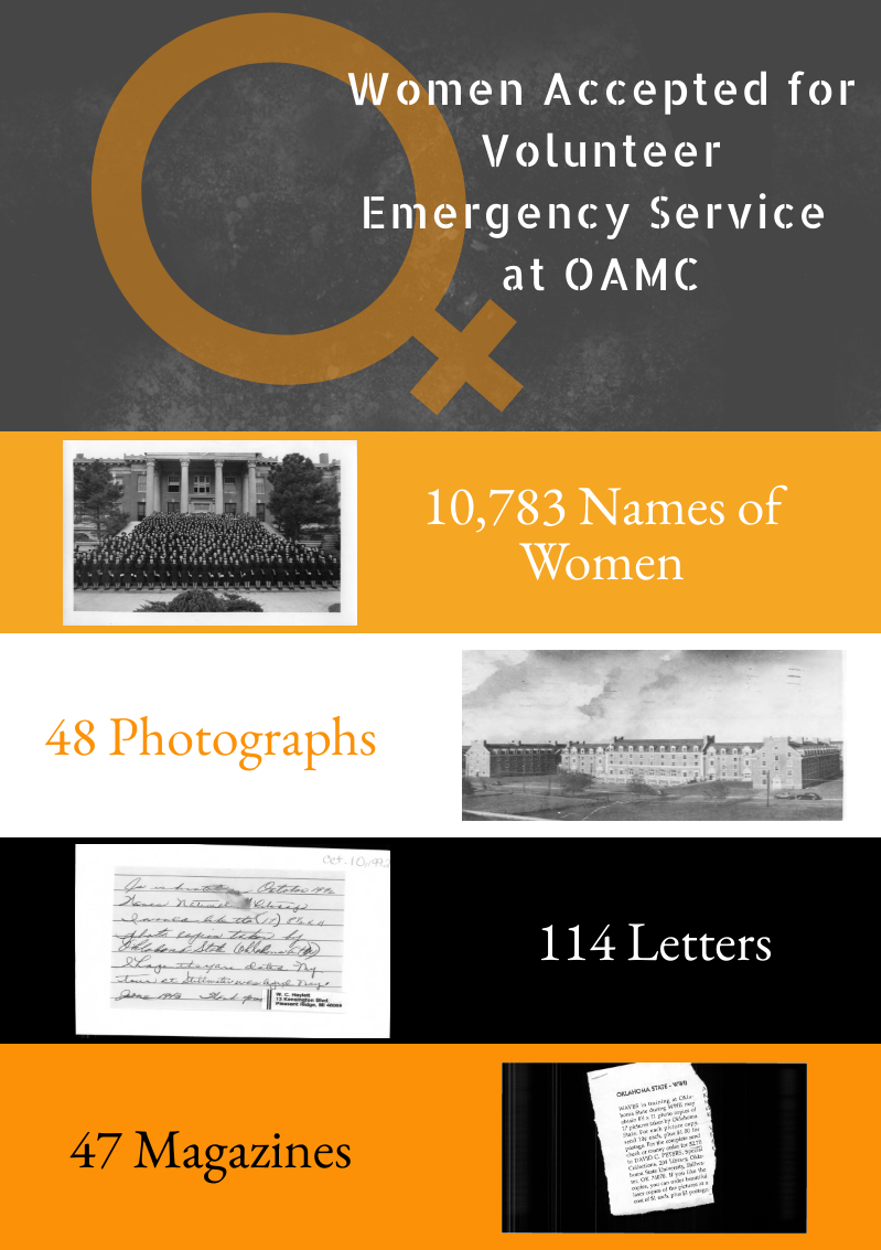
This archive (horribly) shows the capability of the women at Oklahoma State University formerly known as Oklahoma A&M College. The archive claims that in 2015 there would be an upload of all 10,783 registration cards. It was never uploaded and if it was it is unable to be found. The other parts of the archive have pictures, letters, and magazines from the times when WAVES were on campus. These documents are not organized very well and specific words have to be used to search through them. There is also a small history of the WAVES, what they did, where they went, and how they trained. This is an archive that empowers women and shows the ways women were placed next to men in certain ways in the military before women equally served with them in combat. This is something that should be known and talked about but because of the terrible website and the inability to search through it, I understand why it is not known. These women were trained, smart, and capable but the archive fails to represent that in a powerful way.
The John Hayes White World War I Collection
The John Hayes White Collection archive consists of photos and letters taken and written by John Hayes White. The subjects of his photographs vary, but most were taken in the various locations where Hayes was stationed (those locations being France, Germany, the Philippines, Cuba, Luxembourg, and the United States). The letters were written to Hayes’s mother over the time of his military service. Also included is a menu detailing what the men of Company F of the Second Battalion of Engineers ate for the Christmas dinner of 1912 and a booklet detailing the men of the Second Division.
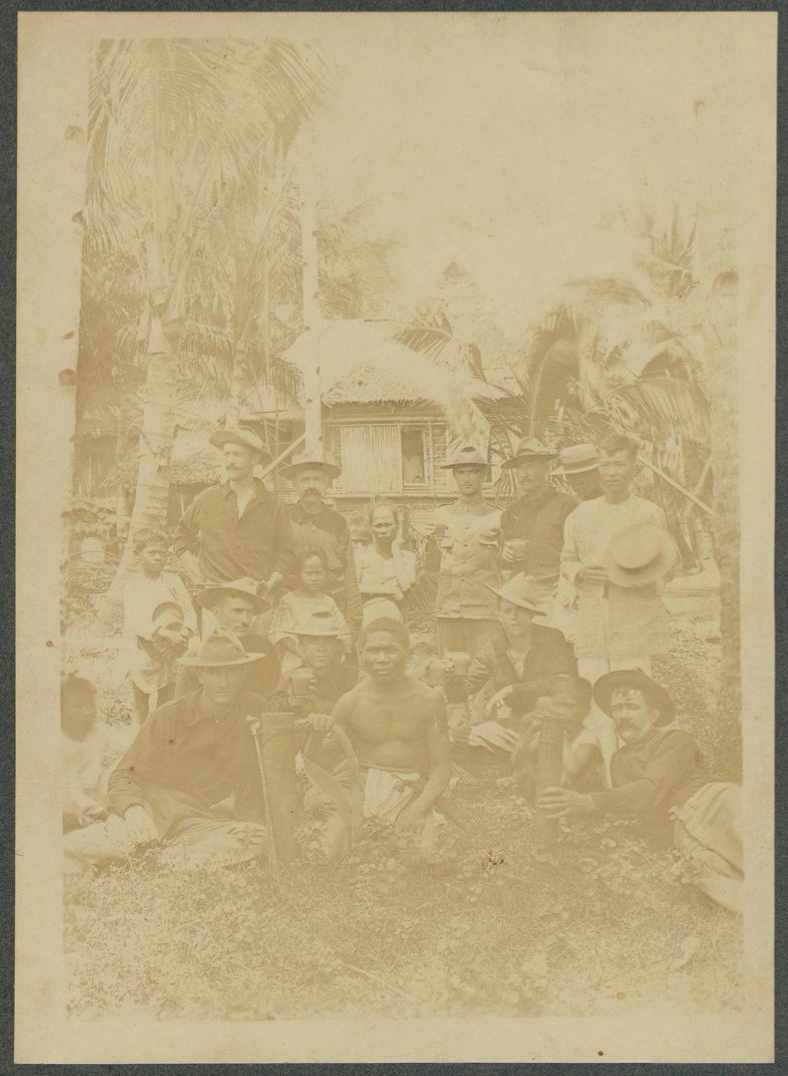
Some of the photographs Hayes took are interesting, such as the Gasoline Road Roller, but most of them are pictures of landscapes or men standing around. A few of the photographs, such as the picture of the German Dummy Tank in the trees, are hard to make out.
The letters are slightly more interesting than the photographs, but still, leave something to be desired. They are legible for those who can read cursive and mostly discuss Whites’ personal life. He remarks on his health, discusses his family’s lives back home, and at one point states his opinion on the ideas of love and marriage. He complains, celebrates, hopes, and loves. These letters humanize White, but a reader searching for something juicy will find little in the letters. Is this collection worth a browse? Yes and no. If a reader is looking for some insight into the life of a soldier during the early 1900s, this archive might scratch that itch. If a reader is looking for something more in-depth, they would be better off searching somewhere else.
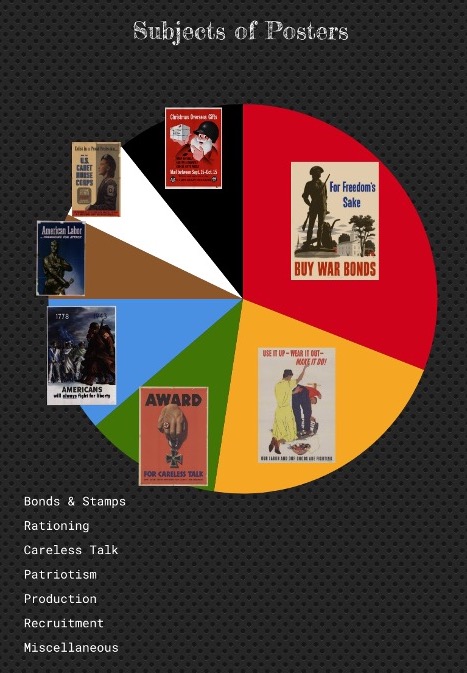
World War II Posters
The year is 1942, and the United States has just entered World War Two. The Allied armies needed arms, ammunition, manpower, and more funds in general to work with, and began to print the now famous propaganda and support posters to encourage war support to gather funds and manpower. With the increasing spread of Allied propaganda posters, the Homefront was motivated to support the soldiers abroad in greater amounts than ever before and helped push the Allies all the way to Berlin and Japan.
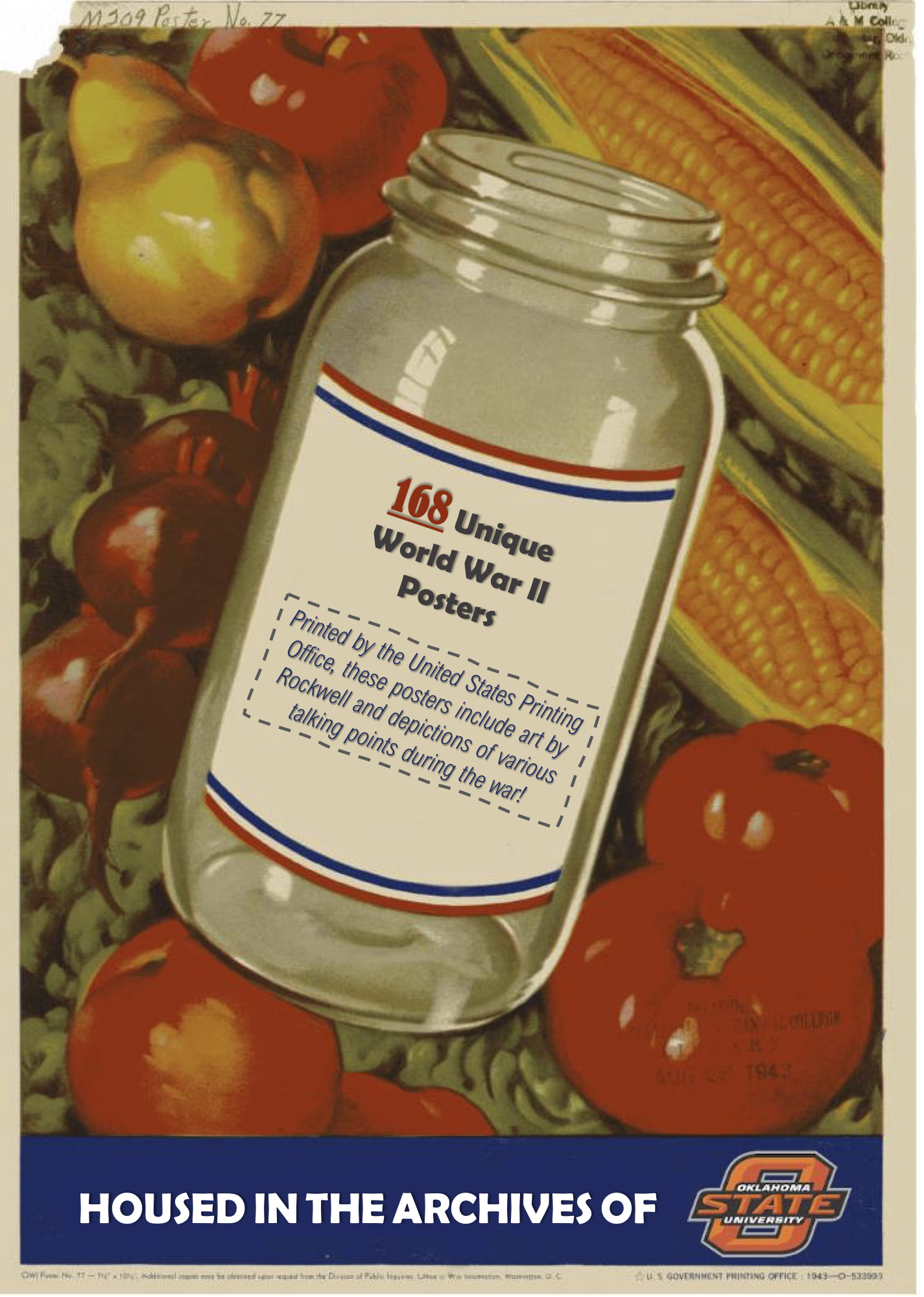
This unique collection of World War II posters makes for an interesting look into the sights and climate of the war. The collection itself was donated to Oklahoma State University by Oklahoman philanthropist Archibald C. Edwards. Born in Oklahoma City in 1906, Edwards worked as a bond buyer and later was a director of RJ Edwards Inc., the oldest municipal bond firm in the state of Oklahoma. He had a heart for fine arts, education, and the state of Oklahoma, and his success allowed him to generously contribute to these matters. His contributions to Oklahoman institutions, such as the posters here, earned him the State Arts Council of Oklahoma Award in 1995. In 1996, Planned Parenthood of Central Oklahoma bestowed to him the Margaret Sanger Legacy Award for his leadership and contribution to the institution. Mr. Edwards passed away at his home in Oklahoma City on March 21, 1998, but his donations and contributions to Oklahoman educational, fine arts, and other local organizations continue to serve as a benefit for the people of this state.
The collection contains posters, printed from 1942 to 1945, that promote the war effort, encouraging the purchase of war bonds and stamps, rationing of food, awareness of foreign intelligence, and the famous recruitment slogans such as “I want you!”. The collection boasts high resolution pictures and scans of the Archive’s WWII posters, each with their own title, description, and date. Over one hundred and fifty posters have been documented and scanned into the collection. Each has its own story in supporting the troops. Before the days of internet and similar communication techniques, posters such as these were the general public’s eyes and ears into the warfront and gave everyone a personal stake. These were the posters that won the war and changed the world.
The conglomeration of artwork includes colorful works from Norman Rockwell himself, as well as several other known artists of the time. The physical materials can be viewed in the archives of Edmon Low Library by appointment, but the digital copies are available for viewing here!
 archiveoklahoma.com